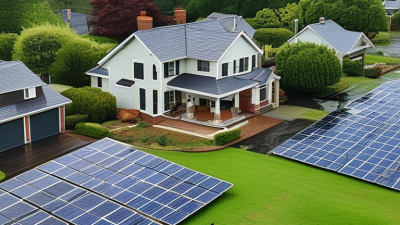
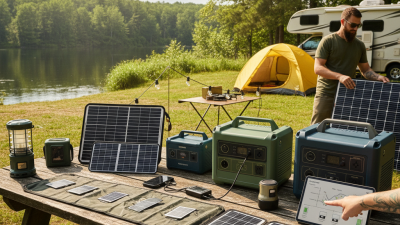
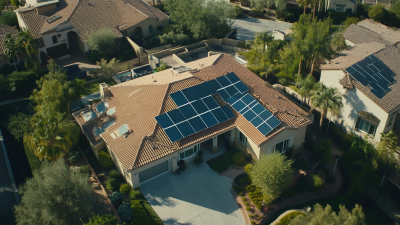
2026 Top Residential Solar Panels for Global Buyers
Choosing the right panels in 2026 requires more than comparing wattage on a product sheet. Global buyers must examine efficiency, temperature performance, degradation rates, warranty terms, and local installation support.
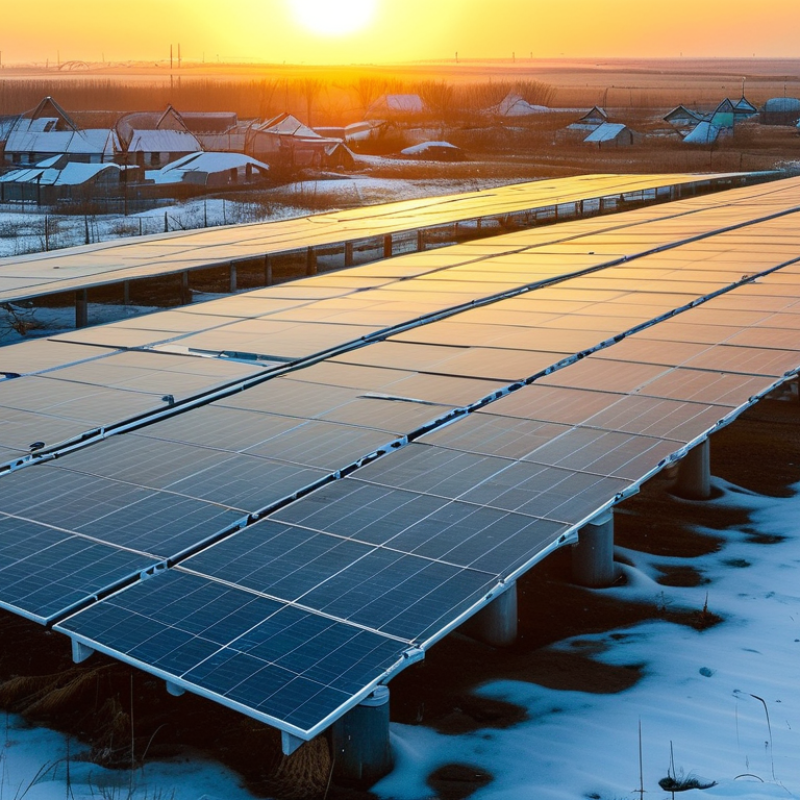
This guide introduces leading Residential Solar panels for different climates, roof sizes, budgets, and energy needs. A compact city roof may benefit from high-efficiency modules, while a spacious rural roof could favor lower-cost panels with strong long-term output. Coastal households should check corrosion resistance. Snowy regions need dependable mechanical-load ratings and careful mounting design.
Small details matter.
Fatih Birol, Executive Director of the International Energy Agency, has stated, “Solar PV is now the cheapest source of electricity in history.” His observation reflects the industry’s rapid progress, but price alone cannot define the best residential system. A reliable comparison also considers inverter compatibility, monitoring quality, fire-safety certification, recycling policies, and installer experience.
Real-world performance may differ from laboratory ratings. Heat, dust, shading, weak maintenance, and imperfect roof orientation can reduce annual production. That limitation deserves attention. No ranking can be perfect for every country or household.
The selections in this overview are designed to support informed decisions, not replace local engineering advice. Buyers should verify regional certifications, grid requirements, available incentives, and after-sales service before signing a contract. A panel with impressive specifications can still disappoint when replacement parts take months to arrive. In Residential Solar, dependable support often matters as much as headline efficiency.
What Defines a Top Residential Solar Panel in 2026
2026 Top Residential Solar Panels for Global Buyers
What Defines a Top Residential Solar Panel in 2026
A top residential solar panel begins with dependable performance, not a glossy specification sheet. In home assessments, I examine roof size, shading, local heat, and daily electricity use before comparing efficiency. A panel producing 23% efficiency may suit a small roof, while a slightly less efficient model can offer better value on a spacious roof. Fit matters.
Temperature behavior deserves close attention. High heat can reduce output, especially on exposed rooftops in tropical regions. A lower temperature coefficient helps preserve production during hot afternoons. Strong panels should also tolerate heavy rain, coastal salt, hail, and sustained wind. Certification documents must support these claims. Marketing language alone is weak evidence.
Durability remains central. Look for transparent degradation rates, practical warranty terms, and an installer with documented technical training. Independent testing, traceable materials, and clear recycling guidance improve buyer confidence. Smart monitoring can reveal unusual drops in production, although internet access may be unreliable in some areas. That limitation is easy to ignore.
No perfect panel exists.
I would also question laboratory results that lack local field data. Dust, bird deposits, roof orientation, and poor maintenance can erase theoretical gains. Buyers should compare annual energy estimates, not peak wattage alone. A careful site inspection often matters more than a small efficiency difference.
How Residential Solar Panels Are Classified and Compared
For 2026 buyers, residential solar panels should be classified by technology, electrical design, and expected operating conditions. Monocrystalline silicon panels usually deliver higher power per square metre, making them suitable for compact roofs. Polycrystalline panels may cost less, but their lower efficiency can require more roof space. Thin-film products remain useful for selected surfaces, although their residential availability varies by region.
Comparison requires more than headline wattage. Check module efficiency, temperature coefficient, annual degradation, dimensions, fire classification, and documented testing. The Fraunhofer Institute’s Photovoltaics Report 2024 places leading commercial crystalline-silicon modules broadly above 22% efficiency, while many residential products remain lower. IEA PVPS Task 13 research commonly uses approximately 0.5% yearly degradation for crystalline-silicon systems, but real results depend on heat, humidity, installation quality, and maintenance. That assumption is useful, not universal.
Tips: Compare energy yield, not only panel price. A 450-watt panel may produce less annual energy than expected on a hot, shaded roof. Ask for temperature data, independent test certificates, and a clear degradation schedule. Check local grid rules and roof loading requirements. Small details matter. Buyers should also question optimistic simulations. Weather files can be outdated, and installers may overlook morning or winter shading. A careful comparison includes measured roof orientation, inverter compatibility, replacement access, and total lifetime cost. The best panel is not always the most powerful one.
Key Performance and Durability Factors for Global Buyers
2026 Top Residential Solar Panels for Global Buyers
Choosing a residential solar panel in 2026 requires more than comparing peak wattage. Real performance depends on climate, roof direction, shading, and installation quality. A panel with a low temperature coefficient can lose less output on a hot roof. Strong low-light performance also matters in cloudy regions and during short winter days. Bifacial designs may help on bright, reflective roofs, but they can add little value on dark surfaces.
Durability deserves equal attention. Look for verified resistance to humidity, salt mist, ultraviolet exposure, hail, and heavy snow loads. Coastal homes need careful corrosion testing. Cold regions need reliable freeze-thaw performance. Mechanical-load ratings should match local building requirements, not just marketing claims. Independent certification and transparent degradation data provide stronger evidence than a high opening efficiency figure.
Small details matter.
Buyers should examine the product warranty, labor coverage, recycling arrangements, and service access in their country. A long performance warranty is less useful when claims are difficult to process across borders. Monitoring equipment should remain compatible with the local grid and household voltage. I would not choose a panel by wattage alone. Laboratory results cannot fully predict a dusty roof, partial shade, or careless wiring. That is an uncomfortable limitation. A qualified local installer can reveal these risks before purchase, although installer advice should still be checked against published test data and regional regulations.
2026 Top Residential Solar Panels for Global Buyers - Key Performance and Durability Factors for Global Buyers
| Residential Panel Technology |
Typical Module Efficiency |
Typical Power Range |
Temperature Coefficient
of Pmax |
Typical First-Year
Degradation |
Typical Annual
Degradation After Year 1 |
Common Product Warranty |
Typical Performance Warranty |
Best Fit for Global Buyers |
N-Type TOPCon
Tunnel Oxide Passivated Contact |
21.5%–23.5% |
400–500 W |
Approximately
−0.29% to −0.32%/°C |
About 1.0% |
About 0.30%–0.40% |
12–25 years |
25–30 years |
Balanced choice for most climates, rooftops and mainstream residential installations. |
Heterojunction
HJT |
22.0%–24.0% |
430–500 W |
Approximately
−0.24% to −0.29%/°C |
About 1.0% |
About 0.25%–0.35% |
15–25 years |
25–30 years |
Strong option for hot regions because output generally falls less as module temperature rises. |
N-Type Back-Contact
IBC or similar back-contact designs |
22.0%–24.5% |
420–510 W |
Approximately
−0.29% to −0.32%/°C |
About 1.0% |
About 0.25%–0.35% |
15–25 years |
25–30 years |
Suitable where maximum roof-area efficiency, clean appearance and premium output are priorities. |
P-Type PERC
Passivated Emitter and Rear Cell |
19.0%–22.5% |
350–460 W |
Approximately
−0.34% to −0.38%/°C |
About 2.0% |
About 0.45%–0.55% |
10–15 years |
25–30 years |
Cost-sensitive projects, replacement work and markets where established supply chains are important. |
Thin-Film
Cadmium telluride or CIGS-based modules |
Approximately
15%–19% |
100–450 W
format dependent |
Typically lower temperature
sensitivity than crystalline silicon |
Technology and product dependent |
Technology and product dependent |
10–20 years |
20–25 years |
Large roofs, lightweight applications or very hot conditions where area is less constrained. |
Buyer’s technical checklist: Verify IEC 61215 and IEC 61730 certification, mechanical-load ratings, hail resistance, salt-mist certification for coastal sites, ammonia resistance for agricultural sites, fire classification, connector compatibility, and the local enforceability of product and performance warranties. Actual specifications vary by module construction, factory, market and certification package.
Note: Values are representative 2026 market ranges for residential module categories, not guarantees for every individual product. Temperature coefficients are expressed as the change in maximum power for each 1°C above the reference cell temperature.
How to Select, Purchase, and Maintain a 2026 Solar Panel System
2026 Top Residential Solar Panels for Global Buyers
How to Select, Purchase, and Maintain a 2026 Solar Panel System
Global solar capacity exceeded 1.6 terawatts in 2023, according to the IEA PVPS Trends 2024 report. That growth expands consumer choice, but panel selection should begin with your roof, not a sales brochure. Measure usable roof area, shading, wind exposure, and local electricity prices. A high-efficiency panel may suit a small roof, while a lower-cost model can work well on larger surfaces. Check the product warranty, temperature coefficient, fire rating, and independent performance testing. Certification requirements differ by country.
Purchase decisions should include the inverter, mounting structure, monitoring system, and installation labor. The panel is only one part of the system. Request a written energy-yield estimate using local sunlight data, not optimistic annual averages. The International Renewable Energy Agency reported solar costs continued falling through 2023, yet installation prices still vary sharply by region. Compare total installed cost and expected kilowatt-hours. The cheapest quote is not always economical.
Maintenance is usually simple. Keep vents clear, inspect cables after severe weather, and review monthly production data. The National Renewable Energy Laboratory reports typical panel degradation near 0.5% annually, though real results vary. Dust can reduce output noticeably in dry areas. Cleaning schedules should follow local conditions and manufacturer guidance. Perfect predictions are impossible. I would leave a small budget for replacement electronics, because many household plans overlook that risk.
2026 Top Residential Solar Panels for Global Buyers
How to select, purchase, and maintain a residential solar panel system using regional solar-energy yield as a practical comparison metric.
How to use this chart: Typical annual yield is measured in kilowatt-hours per installed kilowatt-peak (kWh/kWp). To estimate annual production, multiply your planned system size by the regional yield. For example, a 5 kWp system in Madrid could produce approximately 8,000 kWh per year before local shading, temperature, inverter, and system losses.
Buying and maintenance guidance: Compare module efficiency, temperature performance, product warranty, installer quality, inverter compatibility, and local certification requirements. Keep panels free of heavy dust, leaves, and snow, inspect the system after severe weather, and monitor inverter performance regularly.
Indicative regional values based on long-term photovoltaic yield ranges reported by global solar-resource assessments and PV performance models. Actual output varies with roof orientation, tilt, shading, weather, temperature, equipment, and maintenance.