Why Choose a Solar MPPT Controller for Efficient Energy Use?
The rise of renewable energy sources has transformed the global energy landscape. Solar power, in particular, has gained immense traction. According to a recent report by the International Energy Agency (IEA), solar photovoltaic (PV) capacity reached over 800 GW in 2020. As more people invest in solar energy, efficiency becomes crucial. This is where the Solar MPPT controller comes into play.
A Solar MPPT controller optimizes energy extraction from solar panels. It can increase energy harvest by up to 30%, according to industry studies. This performance boost is especially significant in areas with variable weather patterns. However, many potential users remain unaware of its capabilities. Educating consumers about the Solar MPPT controller's advantages could facilitate smarter energy use.
The transition to solar energy can be challenging. Not all systems operate at peak efficiency without proper management. A comprehensive understanding of how the Solar MPPT controller functions can lead to better investment decisions. While the technology is effective, continuous evaluation remains necessary. Enhancing solar energy systems demands both innovation and consumer awareness.
Understanding Solar MPPT Controllers and Their Functionality
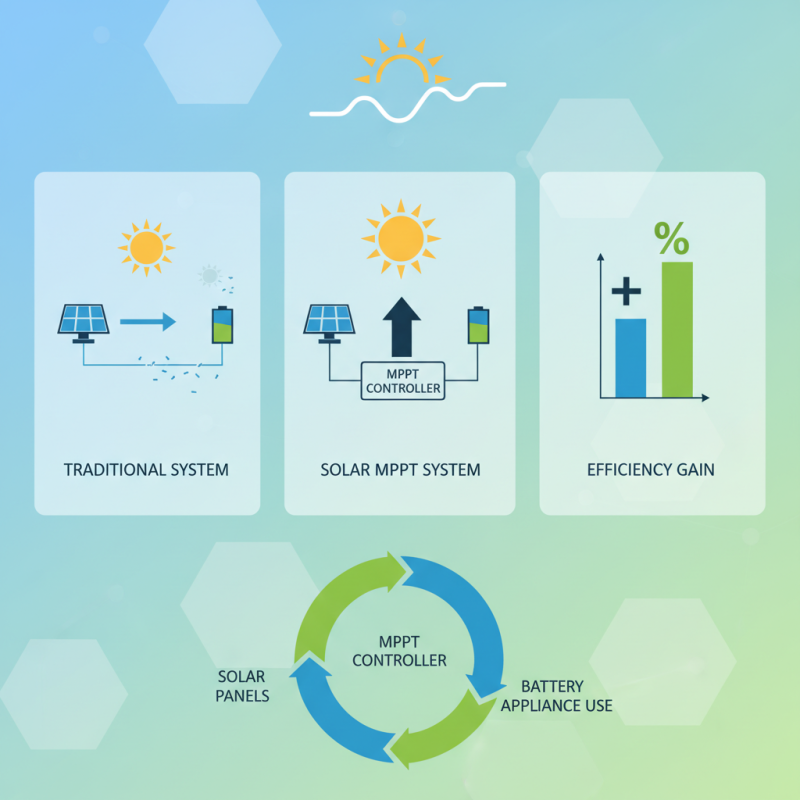
Solar MPPT controllers play a crucial role in optimizing energy use in solar systems. They adjust the electrical operating point of the solar panels. This technology ensures that the panels operate at their maximum power point. By doing this, these controllers increase the overall efficiency of the solar setup. A well-functioning MPPT can make a significant difference in energy output.
Understanding how these controllers work is vital. They use algorithms to track voltage and current from solar panels. This tracking allows them to adapt to changing light conditions. For instance, during cloudy days, the controller recalibrates to maintain efficiency. However, improper installation can lead to energy loss. Many users overlook the need for proper setup and configuration. It’s critical to take the time to understand the system.
Moreover, these controllers can sometimes overheat or malfunction. Regular maintenance is essential. A small dust buildup can affect performance. Monitoring the system can help identify issues early. This proactive approach can save energy and money over time. Relying solely on technology is not enough; human intervention and understanding are key.
The Significance of Maximum Power Point Tracking in Solar Systems
Maximum Power Point Tracking (MPPT) is a vital technology for solar systems. This technology optimizes the energy output from solar panels by ensuring they operate at their most efficient point. According to a report from the National Renewable Energy Laboratory (NREL), MPPT can increase solar system efficiency by 20-30%. This increase can significantly impact overall energy production, especially in varying environmental conditions.
Solar panels don’t always generate constant power. Factors like temperature, shading, and angle of sunlight can affect performance. MPPT adjusts the electrical load on the panels, maximizing the energy harvested. A study led by PV Tech illustrates that systems using MPPT, compared to those without, typically achieve 15% higher energy production in real-world scenarios. This makes MPPT a crucial component for anyone seeking efficient solar energy use.
However, it’s not without challenges. MPPT controllers can add to the complexity of solar systems. They require careful installation and calibration. Some users have reported issues with system compatibility and maintenance demands. Ensuring a proper setup is essential to realize the potential benefits. The right knowledge and planning are key to overcoming these hurdles. As the solar industry continues to evolve, reflecting on these factors is vital for future energy strategies.
Energy Consumption in Solar Systems
This chart illustrates the energy consumption efficiency of various solar MPPT controller systems based on their maximum power point tracking capabilities across different conditions.
Comparing MPPT Controllers with Other Charge Controllers
When it comes to solar energy, choosing the right charge controller is essential. MPPT (Maximum Power Point Tracking) controllers stand out due to their efficiency. They constantly monitor the solar panel's output, adjusting to optimize energy capture. This means more energy for your usage or storage. Unlike PWM (Pulse Width Modulation) controllers, which operate at a fixed voltage, MPPT can deliver 20-30% more power. That’s a significant difference for solar systems.
Comparing MPPT with PWM reveals notable advantages. PWM controllers limit energy production due to a fixed input. They can waste sunlight by not adjusting to changing conditions. In contrast, MPPT controllers are dynamically efficient. They excel in variable weather, maximizing energy in both sunny and cloudy conditions. However, they can be more complex and expensive. This factor may confuse some users.
Switching from PWM to MPPT may involve a learning curve. Users must understand various settings and configurations. While some may struggle with the installation, the potential for improved energy efficiency is worth the effort. In rural areas, where sunlight can be inconsistent, this optimization really pays off. The benefits are clear, but the system’s complexity may challenge even experienced users.
Advantages of Using MPPT Controllers for Energy Efficiency
When it comes to efficient energy use, MPPT (Maximum Power Point Tracking) controllers stand out. These devices optimize solar energy production by adjusting to changes in sunlight. According to industry reports, using MPPT technology can increase energy yield by 20-30% compared to traditional systems. This means more power for less investment.
One significant advantage of MPPT controllers is their ability to maximize output. They analyze environmental variables like temperature and sunlight intensity. This level of optimization ensures that your solar panels work at their peak efficiency. However, this brings about complexity in installation and maintenance. Not every installation will get it right the first time. Proper understanding and training are crucial.
Tip: Assess your solar panel's alignment before installation. Even slight misalignments can lead to substantial energy losses.
Moreover, MPPT controllers can operate effectively in low light conditions. This is particularly important during cloudy days. Enhanced performance in such scenarios means that users enjoy consistent energy. Nevertheless, MPPT controllers can be more expensive upfront. The cost difference might lead some to question their long-term benefits. Evaluating long-term savings is essential before deciding.
Tip: Calculate your expected energy savings over time to determine if an MPPT controller makes sense for you.
Key Factors to Consider When Choosing a Solar MPPT Controller
When looking for a solar MPPT controller, several key factors arise. Efficiency is a primary concern. A high-quality controller maximizes energy conversion. This means fewer losses when turning sunlight into electricity. Check the controller's efficiency rating. Some models may not deliver as promised.
Next, consider the system's voltage. Your solar panels and batteries must match the controller's specifications. Mismatched voltage can lead to poor performance. It is essential to evaluate your existing equipment. An inadequate controller can hinder energy production significantly.
Lastly, think about the features you need. Do you require data logging? Some controllers offer advanced monitoring options. However, these features may come at a higher price. Balance your budget against your requirements. A simple controller may suffice for basic setups. Yet, it is always wise to explore options. Reflect on your energy needs before making a choice.
Why Choose a Solar MPPT Controller for Efficient Energy Use?
| Feature | Description | Importance |
| Efficiency Rate | Percentage of energy converted from solar panels | High efficiency maximizes energy output |
| Input Voltage Range | Range of voltage the controller can handle from solar panels | Flexibility in system design and compatibility |
| Temperature Compensation | Adjusts charging parameters based on temperature | Protects battery life and efficiency |
| User Interface | Displays data and settings, often includes remote monitoring | Ease of use and monitoring performance |
| Warranty | Length of time the controller is covered by warranty | Indicator of reliability and manufacturer confidence |