How to Choose the Best Solar Electric System for Your Home?
Choosing a Solar Electric system for your home can be challenging. Many options exist, and it’s essential to find the right fit. A Solar Electric setup transforms sunlight into usable energy. This process can reduce your electricity bills and lower your carbon footprint.
Considering your home’s location is crucial. Different areas get varying amounts of sunlight. Therefore, the efficiency of your Solar Electric system may differ significantly. Research reputable companies that offer quality products. Customer reviews reveal details about their reliability.
Don’t overlook the financial aspect. Costs can vary wildly depending on system size and brand. Think about long-term savings versus initial investments. It's worth exploring financing options. Ultimately, reflect on what your home really needs. Take your time and evaluate all possibilities before making a decision.
Understanding Your Home's Energy Needs for Solar Panels
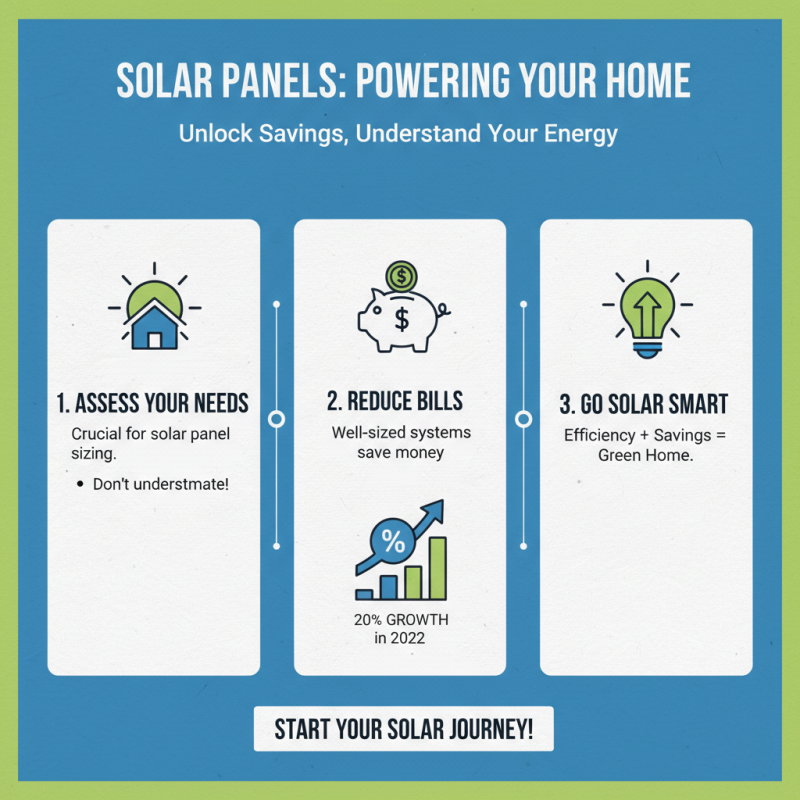
Understanding your home's energy needs is crucial when considering solar panels. A well-sized solar electric system can significantly reduce your utility bills. Reports show that residential solar installations grew by over 20% in 2022. However, many homeowners underestimate their energy requirements.
To determine your energy needs, start by reviewing past electricity bills. Calculate your average usage in kilowatt-hours (kWh). According to the U.S. Energy Information Administration, the average household consumes about 877 kWh per month. Remember, your energy needs may differ due to factors like appliances, insulation, and family size. It’s vital to consider these specifics.
Next, think about potential changes. Will you add electric vehicles or new appliances? It’s worth projecting future usage. A mismatched system can leave you either overpaying or underpowered. Research shows that 30% of solar users initially selected systems that didn't meet their needs. Don’t fall into that trap. Aim for clarity and precision when assessing your energy lifestyle.
Evaluating Different Types of Solar Electric Systems Available
When considering solar electric systems, several options are available. The most common types are
grid-tied, off-grid, and hybrid systems. A grid-tied system connects directly to your
utility grid. It allows you to sell excess energy back, which can reduce your electricity costs significantly. However, it relies on the grid,
meaning power outages can affect your home's energy supply.
Off-grid systems provide complete independence from the utility grid. They use batteries to store energy generated by solar panels. This system
is ideal for remote locations but can be costly due to battery maintenance. Additionally, ensuring sufficient energy storage for cloudy days can
be challenging.
Hybrid systems combine both approaches. They offer flexibility by connecting to the grid while using battery storage. This system works well for
many homeowners. However, the initial installation cost might deter some. It's essential to evaluate your energy needs, budget, and location
before making any decisions. Reflecting on these factors will lead to a more tailored solar solution for your home.
Exploring Installation Process and Choosing a Qualified Installer
When considering a solar electric system for your home, the installation process and the choice of a qualified installer are crucial. The installer will directly impact the efficiency and performance of your system. So, it's vital to find someone with the right experience and knowledge.
Tips: Ask for references from previous clients. This helps gauge the installer's reliability. Look for reviews online. They often reflect real experiences. A qualified installer should also provide a comprehensive proposal, detailing the system layout and costs involved.
During the installation, observe how they work. A certified installer should communicate clearly about each step. Don’t hesitate to ask questions. If they rush or seem dismissive, consider it a red flag. Solar technology can be complex, and it's okay to seek clarity.
Another point of caution is to check if they are familiar with local regulations. Each area has different rules for solar installations. Ensure they understand permits, necessary inspections, and grid connections. This will help in avoiding unnecessary delays. A thorough understanding indicates a knowledgeable installer.
How to Choose the Best Solar Electric System for Your Home?
| Criteria |
Details |
| System Type |
Grid-tied, Off-grid, Hybrid |
| Energy Needs |
Calculate daily energy consumption and peak power requirements |
| Roof Space |
Assess available rooftop area for installation |
| Budget |
Estimate total costs including panels, installation, and maintenance |
| Incentives |
Check for federal, state, and local tax credits and rebates |
| Quality of Components |
Research solar panel and inverter brands |
| Installer Qualifications |
Verify certifications, experience, and reviews of the installer |
| Installation Process |
Understand the steps including site assessment, permitting, and installation timeline |
| Maintenance Requirements |
Inquire about routine maintenance and service options |
Maintaining and Monitoring Your Solar Electric System Performance
Maintaining and monitoring your solar electric system is crucial for optimal performance. Regular checks can help identify issues early. Look for signs like reduced energy output or unusual sounds. These could indicate a problem. How often should you inspect your system? Aim for a visual inspection every few months.
Consider using monitoring tools to track energy production. These tools provide real-time data on system performance. You can see trends and detect inefficiencies. However, technology can fail. If your monitoring system stops working, it may create blind spots in your data. Be prepared to recalibrate your expectations.
Keeping the solar panels clean is also important. Dirt and debris can decrease efficiency. A quick rinse can work wonders. But, it’s easy to miss hard-to-reach spots. Sometimes, a professional cleaning service is worth considering. Always reflect on what maintenance efforts yield the best results for your specific setup. Regular maintenance could lead to savings and increased energy production over time.