
How to Choose the Right Check Valve for Your Application?
Choosing the right check valve begins with the system, not the product catalogue. A valve must control reverse flow while matching pressure, temperature, fluid chemistry, and flow direction. U.S. Department of Energy guidance, including Improving Pumping System Performance: A Sourcebook for Industry, identifies pumping systems as major industrial energy users. Poor valve selection can increase pressure loss, pump workload, noise, and maintenance demand. Small design errors become expensive at scale.
The selection process should examine cracking pressure, Cv, connection type, installation position, and closing speed. Water, steam, hydrocarbons, slurry, and corrosive chemicals require different materials and internal designs. A swing check valve may suit clean, steady flow. A wafer or lift design may perform better where space is limited. API 6D and ASME B16.34 provide important requirements for valve design, testing, and pressure integrity. These standards support reliability, but they do not replace application-specific engineering.
Not every good valve fits.
Reports from MarketsandMarkets and Grand View Research show continued demand for industrial valves across energy, water treatment, chemical processing, and manufacturing. Yet market growth does not guarantee correct selection. A compact valve can appear efficient, then slam during pump shutdown. A corrosion-resistant body can still fail through seat damage or unsuitable elastomers. Engineers should verify actual operating data, including transient pressure and fluid contamination. This article explains how to compare check valve types, interpret technical specifications, and avoid common selection mistakes. Some recommendations may still require revision after field inspection, because real pipelines rarely behave exactly like design drawings.
Check Valve Basics: Purpose, Operation, and Main Design Types
How to Choose the Right Check Valve for Your Application?
A check valve allows flow in one direction and blocks reverse movement. Its operation is simple, but selection is not. Pressure opens the disc, ball, or plate; reverse pressure closes it. The closing speed matters. Slow closure may cause backflow, while sudden closure can create water hammer. Wrong choice, costly result.
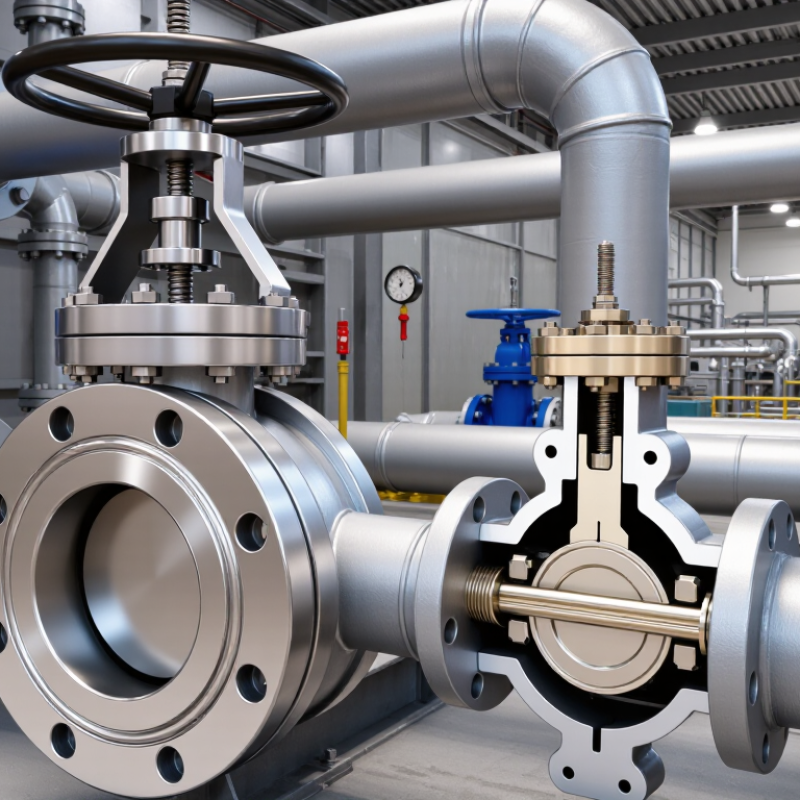
The main designs include swing, lift, spring-loaded, ball, and dual-plate valves. Swing valves suit steady, horizontal flow with low pressure loss. Lift valves provide reliable sealing, but they need cleaner media and stronger pressure. Spring-loaded models close quickly and work well where reverse flow could damage pumps. Dual-plate designs are compact. They can reduce installation space and weight. Field experience shows that orientation, pipe velocity, and maintenance access often matter more than catalogue size.
Selection should begin with fluid type, temperature, pressure, flow rate, and allowable pressure drop. Check the required cracking pressure, seat material, and connection standard. ASME B16.34 helps verify pressure-temperature ratings, while relevant piping standards support dimensional checks. The U.S. Department of Energy’s Improving Compressed Air System Performance sourcebook reports that leaks can waste 20–30% of compressor output in poorly maintained systems. A leaking or poorly closing valve can worsen that loss. Small details matter. Market forecasts may suggest rising valve demand, but they cannot replace site data. A practical review should record noise, vibration, closing response, and visible wear during operation. I would not rely on size alone.

Define Your Fluid, Pressure, Temperature, and Flow Requirements
Choosing a check valve starts with the fluid, not the pipe size. Identify whether the line carries clean water, oil, air, steam, slurry, or a corrosive chemical. Viscosity and solids can change the closing response. A valve that works quietly with water may stick in a dirty process line. Check seals, body materials, and temperature limits against the actual fluid. Do not rely only on a familiar specification sheet.
Pressure data needs more detail than normal operating pressure. Record inlet pressure, outlet pressure, pressure surges, and the minimum pressure available during startup. Then compare these values with cracking pressure and rated working pressure. A spring-loaded design may close quickly, but it can create extra pressure loss. A swing design may suit low-resistance service, yet it needs enough flow velocity to remain stable. I have seen valves selected from average pressure alone. The result was chatter during pump cycling. The calculation looked reasonable, but the operating cycle was missing.
Flow requirements include normal, minimum, and peak rates. Estimate velocity, pressure drop, and the required flow coefficient for each condition. Oversizing is tempting, but a barely open disc can flutter and wear. Undersizing restricts flow and raises energy demand. Temperature also deserves a real operating range, including cleaning, shutdown, and unexpected heat exposure. Leave room for uncertainty. Field measurements are not always perfect, and process conditions drift. Confirm valve orientation, installation space, and maintenance access before ordering. A short site walk can reveal more than a neat spreadsheet.
How to Choose the Right Check Valve for Your Application?
Define the fluid, pressure, temperature, and flow requirements before selecting a check valve. The chart compares representative industrial operating cases; final selection should be verified against applicable standards and the valve manufacturer's pressure, temperature, material, and flow data.
| Application | Fluid | Pressure | Temperature | Flow | Valve Type Often Considered |
|---|---|---|---|---|---|
| Cooling-water circulation | Water | 4 bar | 25°C | 120 m³/h | Swing or dual-plate |
| Compressed-air system | Air | 8 bar | 25°C | 300 m³/h | Lift, spring-loaded, or dual-plate |
| Saturated-steam service | Steam | 10 bar(g) | 184°C | 20 t/h | Lift or piston |
| Hydraulic power unit | Mineral hydraulic oil | 160 bar | 60°C | 40 L/min | Piston or poppet |
Check fluid compatibility first, then confirm the maximum working pressure, operating temperature, required flow rate, installation orientation, pressure drop, cracking pressure, and the risk of water hammer or reverse flow.
Match Valve Materials and Construction to Operating Conditions
How to Choose the Right Check Valve for Your Application?
Material selection should begin with the fluid, temperature, pressure, and surrounding environment. Water service may suit stainless steel, bronze, or reinforced thermoplastics. Chemical service demands closer inspection of body and seal compatibility. A material chart helps, but it is not enough by itself. Concentration, temperature, and exposure time can change performance significantly.
Construction matters just as much. A spring-loaded lift valve can close quickly in a compact line, reducing reverse flow and water hammer. A swing check valve may create less pressure loss, but it needs enough flow to remain stable. Wafer designs save space between flanges. Threaded bodies work well on smaller pipes, where access is limited. In dirty systems, however, tight internal clearances can trap particles and prevent full closure.
I have seen premature failures caused by choosing the right metal but the wrong seal. Elastomers can harden, swell, or crack under heat and chemical exposure. Check the valve’s installation direction, cracking pressure, flow velocity, and maintenance access before ordering. A valve rated for the system’s maximum pressure may still fail under repeated cycling. That detail is easy to miss. When conditions are uncertain, test a sample under realistic temperature and fluid conditions. Field assumptions often look reasonable until the first shutdown.
How to Choose the Right Check Valve for Your Application? - Match Valve Materials and Construction to Operating Conditions
| Check Valve Type | Typical Applications | Recommended Body Materials | Common Temperature Range | Typical Pressure Capability | Installation Requirements | Key Advantages | Important Limitations |
|---|---|---|---|---|---|---|---|
| Swing Check Valve | Water distribution, wastewater systems, cooling-water lines, and low-velocity liquid services. | Ductile iron for general water service; carbon steel for higher pressure; stainless steel for corrosive or hygienic service. | Approximately −20°C to 200°C, depending on body, seat, and gasket materials. | Commonly up to 16–40 bar, depending on size, design, and pressure class. | Usually installed in a horizontal line; some designs permit vertical installation with upward flow. | Low pressure drop and simple construction; suitable for large pipe sizes. | May slam during sudden flow reversal and is less suitable for pulsating or rapidly changing flow. |
| Wafer Check Valve | Compact piping systems, pump discharge lines, HVAC circuits, and general industrial liquid service. | Cast iron, ductile iron, carbon steel, or stainless steel; elastomer selection depends on the fluid. | Approximately −40°C to 200°C, depending on the seat material. | Typically 10–40 bar, depending on the valve design and nominal size. | Fits between flanges; accurate pipe alignment and adequate straight-run space are recommended. | Lightweight, compact, and economical where installation space is limited. | Some models require a minimum flow velocity and may not be suitable for highly viscous fluids. |
| Dual-Plate Check Valve | Pump discharge, compressed air, gas transmission, process piping, and applications requiring reduced water hammer. | Carbon steel for general process service; stainless steel or duplex stainless steel for corrosive fluids. | Approximately −50°C to 400°C, depending on spring, seat, and gasket materials. | Commonly available for 16–100 bar or higher in specialized designs. | Can be installed horizontally or vertically with upward flow; avoid severe turbulence near the valve. | Fast closing action, reduced reverse-flow shock, and relatively low installed weight. | Spring and plate components can be sensitive to debris, fouling, and abrasive solids. |
| Lift Check Valve | Steam, gas, clean liquids, boiler systems, and high-pressure process piping. | Forged or cast carbon steel for general service; alloy steel for elevated temperatures; stainless steel for corrosion resistance. | Approximately −50°C to 500°C, subject to trim and gasket selection. | Often suitable for 40–250 bar in high-pressure configurations. | Normally installed horizontally with the flow direction clearly marked; vertical installation depends on the design. | Good shutoff potential and suitability for high-pressure, high-temperature service. | Higher pressure drop than many swing designs and generally unsuitable for dirty or solid-laden fluids. |
| Piston Check Valve | Steam lines, high-pressure liquid service, refinery piping, and applications requiring controlled closing. | Carbon steel, alloy steel, or stainless steel; hard-faced trim may be used for wear resistance. | Approximately −50°C to 540°C, depending on metallurgy and packing materials. | Commonly 40–250 bar, with higher ratings available for engineered systems. | Requires correct flow orientation and clean fluid conditions to prevent piston sticking. | Stable operation and good resistance to reverse flow in demanding process service. | Higher maintenance sensitivity and pressure loss than simple swing check valves. |
| Ball Check Valve | Slurry, wastewater, viscous liquids, dosing systems, and low-to-moderate pressure pumping applications. | Cast iron or ductile iron for water and wastewater; stainless steel or engineered polymers for corrosive chemicals. | Approximately −20°C to 150°C, depending on ball and seat materials. | Typically 6–25 bar, depending on size and construction. | Can often be installed horizontally or vertically with upward flow; provide sufficient flow velocity to move the ball. | Handles dirty, viscous, and solid-containing fluids better than many precision check valves. | Not normally preferred for high-temperature, high-pressure, or highly abrasive service without specialist design review. |
| Foot Valve with Strainer | Pump suction lines, wells, tanks, irrigation systems, and applications where the pump must remain primed. | PVC or polypropylene for compatible chemicals; bronze or stainless steel for water and marine environments. | Approximately 0°C to 100°C, depending on plastic, elastomer, and metal construction. | Usually designed for low-to-moderate pressure, commonly up to 10–16 bar. | Installed at the submerged end of a suction pipe; the strainer must remain clear of sediment and debris. | Maintains prime and helps prevent contamination from entering the pump. | Adds suction-side pressure loss and requires access for periodic cleaning. |
| Spring-Loaded Inline Check Valve | Instrumentation lines, compressed air, gas systems, chemical dosing, and compact process assemblies. | Stainless steel for corrosive fluids; brass for compatible clean water or air; engineered polymers for selected chemicals. | Approximately −40°C to 200°C, depending on spring, seal, and body materials. | Commonly 10–250 bar for small-bore designs, depending on the connection and material grade. | Can usually be installed in any orientation; confirm the cracking pressure and flow direction. | Compact design, quick response, and reliable sealing at low reverse-flow rates. | Creates a measurable cracking pressure and may restrict flow in low-pressure systems. |
Compare Installation Configurations, Response Speed, and Pressure Loss
Choosing a check valve starts with installation, not catalog size. A swing valve suits clean, steady flow in a horizontal line, where gravity helps the disc close. It can struggle in vertical upward service or pulsating flow. A spring-loaded lift or piston valve closes faster and supports more mounting positions. That speed matters near pumps, compressors, and fast-closing actuators. However, faster closure can create a pressure surge. The answer is not always the fastest valve.
Pressure loss deserves equal attention. Every valve adds resistance, even when fully open. Compare pressure-drop curves at the actual flow rate, temperature, and fluid viscosity. A compact wafer design may save space, but its internal disc can restrict flow. A larger valve may reduce loss, yet poor sizing can cause unstable low-flow operation. Check the cracking pressure, too. A high cracking pressure can delay opening and reduce pump efficiency. Use certified technical data, then verify assumptions with site measurements.
In practical selection reviews, I examine pipe orientation, maintenance access, and expected cycling before choosing materials. I also inspect whether reverse flow could slam the seat after a pump trip. Water hammer is easy to underestimate. Pressure sensors upstream and downstream can reveal problems that documentation misses. One imperfect choice remains common: selecting by connection size alone. Recheck the decision against transient conditions, not only normal operation.
Verify Sizing, Maintenance Needs, Safety, and Application Compatibility
Choosing the right check valve begins with accurate sizing, not guesswork. A valve should match the pipe diameter, flow rate, pressure range, and fluid temperature. Oversizing can delay closing and cause reverse flow. Undersizing may create excessive pressure loss. Review the pump curve and calculate the expected flow during both normal and peak operation. Field experience shows that “same size as the pipe” is not always enough.
Tips: Check the valve’s cracking pressure and installation direction. Confirm that its materials resist corrosion, abrasion, and chemical exposure. Consider water hammer, especially in long pipelines or systems with fast-closing pumps. A quiet test at startup can reveal problems before they become expensive failures. Keep access clear for inspection and replacement.
Maintenance needs also affect valve selection. Choose a design that allows practical inspection, cleaning, and seal replacement. Record pressure readings and listen for rattling, vibration, or repeated impact. These details often reveal poor sizing or unstable flow.
Safety requires more than a pressure rating; verify emergency conditions, isolation points, and local engineering requirements. Compatibility must include the entire application, not only the fluid. Pipe layout, mounting angle, suspended particles, and operating cycles matter too. Recheck your assumptions. An apparently suitable valve may perform poorly after real conditions change.

