Ultimate Guide to Residential Solar Systems Tips for Homeowners
As the demand for sustainable energy solutions continues to rise, homeowners are increasingly turning to Residential Solar Systems as a viable way to reduce energy costs and minimize their environmental footprint. This ultimate guide aims to provide invaluable tips for homeowners who are considering or have already invested in solar technology. Understanding the intricacies of solar systems can empower homeowners not only to make informed decisions during installation but also to optimize their energy consumption and overall system performance.
In this guide, we will explore the key components of Residential Solar Systems, including solar panels, inverters, and battery storage. Additionally, we will discuss the various factors that influence the overall effectiveness of a solar system, such as geographical location, roof orientation, and available incentives. With practical insights and actionable advice, this guide serves as a comprehensive resource for homeowners looking to embrace solar energy and enhance their home’s sustainability. Whether you are taking your first steps towards solar adoption or seeking ways to maintain your existing system, this ultimate guide will equip you with the knowledge needed to harness the power of the sun effectively.
Understanding Residential Solar Systems: Key Components and Benefits
Residential solar systems are becoming an increasingly popular choice for homeowners looking to reduce their energy bills and carbon footprint. At their core, a residential solar system typically includes solar panels, an inverter, a mounting system, and a battery for energy storage. Solar panels capture sunlight and convert it into electricity, while the inverter transforms that electricity into a usable form for your home. The mounting system secures the panels to your roof or property, and the battery allows you to store excess power for use during non-sunny periods.
To maximize the benefits of a residential solar system, homeowners should consider a few important tips. First, assess your energy needs by evaluating your current electricity consumption. This will help you determine the appropriate size and number of solar panels required for your home. Additionally, securing a professional installation can ensure that your system is set up safely and efficiently. Lastly, explore local incentives and tax credits that can significantly reduce upfront costs, making solar energy a more accessible investment.
Investing in a residential solar system not only contributes to sustainable living but also increases the long-term value of your property. By understanding the components and taking proactive steps, homeowners can fully harness the power of solar energy for a greener future.
Evaluating Energy Needs: Calculating Solar System Size for Your Home
When considering the adoption of residential solar systems, one of the most critical steps is accurately evaluating your energy needs. The first phase in calculating the appropriate size for your solar system involves analyzing your current energy consumption. This typically includes reviewing electricity bills from the past year to identify monthly usage patterns. Take note of your average kilowatt-hours (kWh) consumed each month, as understanding your household's energy demand will provide a solid foundation for sizing your solar system properly.
Once you have a clear picture of your energy needs, the next step is to consider factors that could influence future energy consumption. For instance, consider any upcoming changes such as adding new appliances, an electric vehicle, or potential expansions to your home. These factors can significantly alter your total energy requirements.
Additionally, the geographical location and the amount of sunlight your home receives play a crucial role in determining the efficiency and output of your solar panels. By incorporating these elements into your calculations, you can ensure that your solar system is tailored to meet both your current and future energy needs effectively.
Incentives and Financing: Exploring Tax Credits and Rebate Opportunities
When considering the installation of residential solar systems, homeowners should explore various incentives and financing options available to maximize their investment. Tax credits are a significant benefit, allowing homeowners to reduce their federal tax liability based on the cost of their solar system. For example, many nations offer a percentage of the total installation costs as a credit. These credits can lead to substantial savings, making solar energy more accessible and financially appealing for homeowners.
In addition to tax credits, numerous rebate opportunities exist at the state and local levels. These rebates can vary widely, so it is essential for homeowners to research the specific offerings in their area. Some jurisdictions provide cash rebates for solar installations, while others may have performance-based incentives that reward homeowners for generating solar energy. Furthermore, there are financing options such as solar loans and power purchase agreements (PPAs) that can help homeowners spread out the costs over time, enabling them to benefit from solar energy without a significant upfront investment. By utilizing these incentives and financing models, homeowners can significantly decrease their overall costs while contributing to a sustainable future.
Incentives and Financing Opportunities for Residential Solar Systems
Installation Process: Steps to Safely and Effectively Set Up Solar Panels
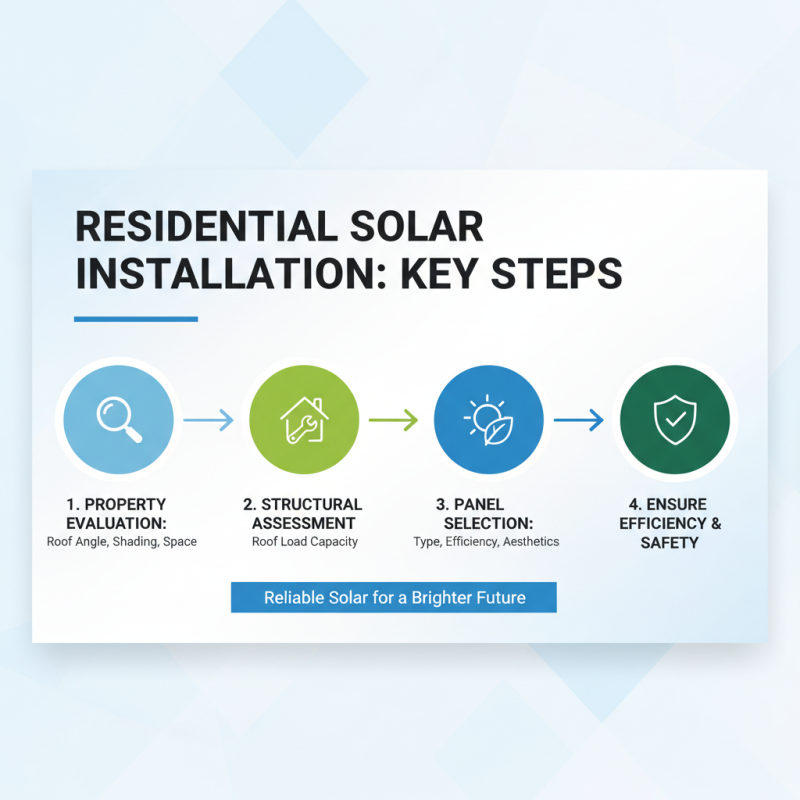
The installation process of residential solar systems is crucial to ensuring efficiency and safety. The first step involves evaluating your property’s suitability for solar panels, considering factors like roof angle, shading, and available space. It's essential to conduct a structural assessment to confirm that your roof can support the weight of the panels. Once the feasibility is established, homeowners should proceed to select the right type of solar panels that align with their energy needs and aesthetic preferences.
After planning, the next phase is securing the necessary permits and schedules with a certified solar installation team. Proper coordination with local authorities is vital to comply with regulations and to avoid any legal issues. Once permits are obtained, the installation team will begin mounting the solar panels on the roof, connecting the wiring, and setting up the inverter. During this phase, ensuring that all safety protocols are followed—such as using harnesses and ladders correctly—is paramount. Finally, the system is connected to the electrical grid, followed by an inspection to verify that everything functions properly and meets safety standards, paving the way for optimal energy production.
Maintenance and Performance: Ensuring Efficiency of Your Solar System
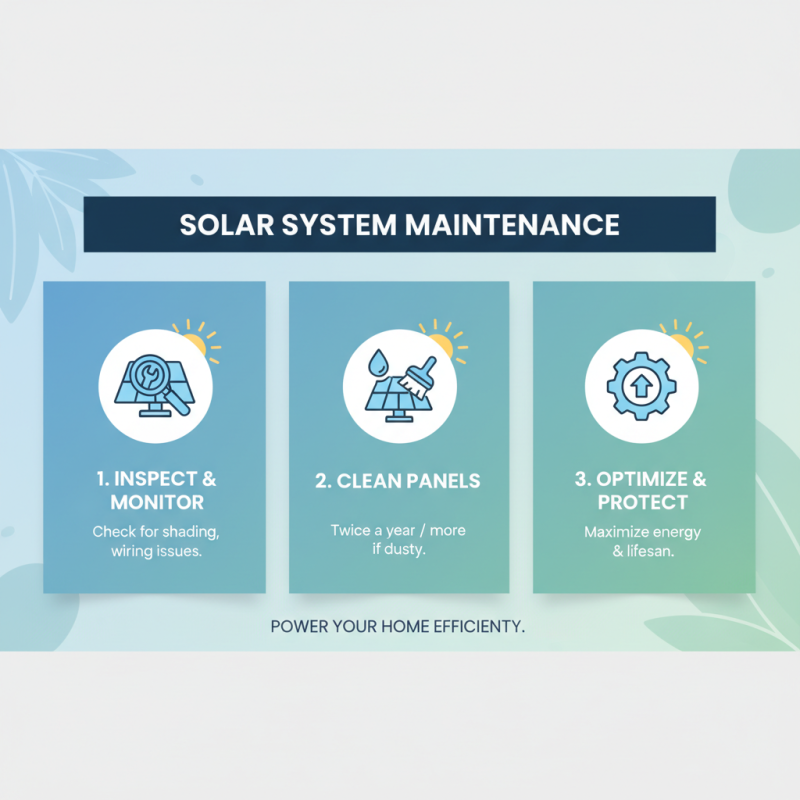
Maintaining the efficiency of your residential solar system is crucial for maximizing energy production and extending the lifespan of the equipment. Regular maintenance practices include routine inspections, cleaning the panels, and monitoring performance. Dust, debris, and bird droppings can accumulate on solar panels, significantly reducing their ability to capture sunlight. It's recommended that homeowners clean their solar panels at least twice a year or more frequently if they live in a dusty area or have overhanging trees. Checking for any shading issues from nearby plants or structures is also important to ensure optimal sunlight exposure.
In addition to physical maintenance, monitoring the performance of your solar system is essential. Homeowners should regularly track energy output and watch for any discrepancies in production levels. Many solar systems come with monitoring software that allows you to see real-time data on energy generation. If you notice a significant drop in performance compared to previous data, it may indicate a need for professional inspection. Addressing minor issues early can help prevent costly repairs and downtime, ensuring that your solar investment continues to operate efficiently for years to come.