Top 10 Tips for Choosing the Best Commercial Solar System for Your Business
When it comes to powering your business sustainably, investing in a Commercial Solar System can be a transformative decision. With the growing emphasis on renewable energy and environmental responsibility, more businesses are turning to solar solutions to reduce their carbon footprint while also cutting costs. However, with numerous options available in the market, choosing the right Commercial Solar System can be overwhelming. This decision not only affects your immediate operational efficiency but also impacts your long-term financial performance.
To make an informed choice, it’s essential to consider various factors that can influence both the effectiveness and the return on investment of your solar system. From assessing your energy needs to understanding the latest technological advancements, each step is critical in ensuring you select a system that aligns with your business goals. This guide will provide you with the top ten tips for choosing the best Commercial Solar System, ensuring that your investment is optimized for maximum efficiency and financial benefit. Embracing solar energy can lead your business towards a more sustainable future while also providing substantial economic advantages.
Understanding Your Energy Needs and Goals for Solar Systems
Understanding your energy needs and goals is crucial when selecting the right commercial solar system for your business.
Start by conducting a comprehensive assessment of your current energy consumption. This involves reviewing your utility bills over the past year to identify peak usage times and total energy needs.
Consider factors such as seasonal variations in energy consumption and any planned expansions or changes in operations that may affect energy requirements.
This detailed analysis will serve as the foundation for selecting a solar system that meets your specific energy demands.
Next, align your energy goals with your sustainability objectives.
Are you aiming to reduce operational costs, minimize your carbon footprint, or enhance your brand's green credentials?
Understanding these goals will help you determine the size and scope of the solar system that best fits your business's vision.
Additionally, consider the financial incentives available in your area for solar installation, as these can influence your decision.
By integrating your energy needs with your long-term goals, you can make more informed choices that will ultimately lead to a successful investment in commercial solar energy.
Evaluating Different Types of Commercial Solar Solutions Available
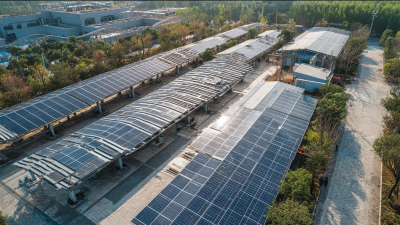
When evaluating different types of commercial solar solutions, businesses must consider a range of options that align with their energy needs and financial goals. The primary categories of commercial solar systems include rooftop solar, ground-mounted solar, and solar canopies. According to the Solar Energy Industries Association (SEIA), rooftop installations accounted for about 45% of all new commercial solar capacity in 2022, making it an attractive option for urban businesses with large roof spaces. Ground-mounted systems, on the other hand, are preferable for companies with available land, providing higher capacity and often better performance due to fewer shading issues.
In addition to types of installations, businesses should assess other factors such as energy storage options and financing models. The U.S. Department of Energy reports that the combination of solar with battery storage can enhance energy reliability and savings. This is particularly vital considering that about 70% of businesses look for solutions that can mitigate peak demand charges. Furthermore, power purchase agreements (PPAs) and solar leasing can make installations more accessible, allowing businesses to benefit from solar energy without upfront costs. By carefully evaluating these diverse commercial solar solutions, businesses can make informed decisions that maximize their energy savings while also contributing to sustainability goals.
Energy Efficiency Comparison of Different Commercial Solar Systems
Assessing Your Business Location and Its Sunlight Exposure
When selecting a commercial solar system, one of the crucial factors to consider is the location of your business and its sunlight exposure. According to the National Renewable Energy Laboratory (NREL), geographic location significantly influences solar energy potential. For instance, businesses situated in areas with high sunlight availability, such as the southwestern United States, can generate up to 50% more solar energy than those in regions with overcast weather patterns. This underscores the importance of assessing your site’s solar potential before investing in a solar installation.
In addition to geographic location, other factors like roof orientation and angle can impact the efficiency of a solar system. The U.S. Department of Energy notes that a south-facing roof with an optimal tilt can enhance energy production by as much as 20%. Conducting a shading analysis to identify obstructions, such as nearby trees or buildings, is also essential. These obstructions could reduce energy generation by 30-40%, depending on the time of year and daily sun patterns. By thoroughly evaluating these aspects, businesses can maximize their solar investment and harness the full benefits of renewable energy.
Comparing Costs, Incentives, and Financing Options for Solar Projects
When considering a commercial solar system, understanding the financial landscape is crucial for making informed decisions. The cost of solar installations has significantly decreased over the last decade, with prices dropping approximately 82% since 2010, according to the U.S. Department of Energy. This decline, combined with advancements in solar technology, has made solar projects more accessible for businesses looking to reduce energy expenses. However, costs can still vary widely based on the size of the system, location, and energy requirements. It's vital for businesses to obtain multiple quotes and conduct thorough comparisons to find the best value for their solar investment.
Incentives play a critical role in offsetting solar project costs. Federal tax credits, such as the Investment Tax Credit (ITC), allow businesses to deduct a substantial percentage of their solar installation costs from their federal taxes, which can significantly reduce the upfront financial burden. Additionally, many states offer rebates and financing options that further enhance the economic viability of solar energy. According to a report from the National Renewable Energy Laboratory, the average business that invests in solar can expect a return on investment exceeding 20% over the system's lifespan. Understanding these incentives and financing options empowers businesses to maximize savings and make the transition to solar energy more economically feasible.
Choosing a Reliable Solar Provider and Evaluating Their Track Record
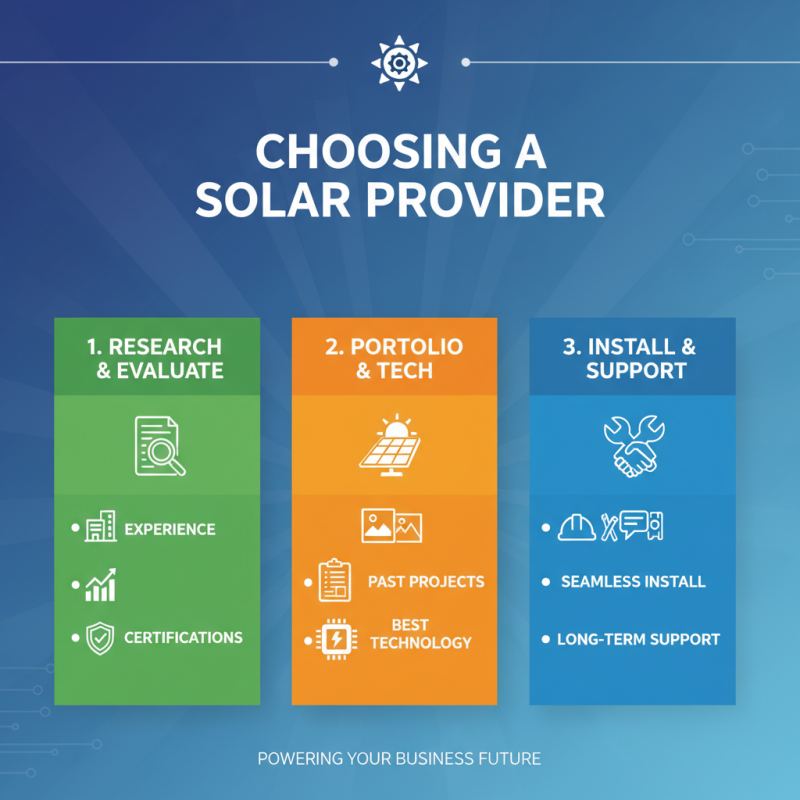
When selecting a commercial solar system, one of the most crucial steps is choosing a reliable solar provider. A quality provider will not only offer you the best technology but also ensure seamless installation and long-term support. Start by researching potential providers thoroughly—evaluate their experience in the industry and check their certifications. A well-established provider typically has a robust portfolio showcasing past projects, which speaks to their credibility and expertise.
Another important aspect is assessing the track record of potential solar providers. Look for customer testimonials and reviews, as they can provide insights into your provider’s reliability and service quality. Additionally, inquire about their warranties and maintenance policies. Providers who stand behind their products and services with solid warranties often demonstrate a commitment to long-term customer satisfaction.
When considering your options, take advantage of technology by utilizing online resources to compare providers. Platforms that aggregate customer experiences can be invaluable. Also, don't hesitate to ask for references from previous clients to gain firsthand accounts of their experiences. Ultimately, choosing a solar provider with a proven track record will give you confidence in your investment and help your business transition to sustainable energy effectively.