Top 10 Types of Off Grid Solar Power Systems

Reliable electricity should not depend on a nearby transmission line. In remote villages, farms, cabins, and emergency sites, one solar panel can change a daily routine. A charged phone. A light after sunset. A working water pump.

The International Energy Agency reported that about 775 million people lacked electricity access in 2022. Many lived in rural or geographically isolated communities. The World Bank and ESMAP’s Off-Grid Solar Market Trends Report 2022 found that off-grid solar had already provided electricity access to roughly 490 million people. These figures show practical progress, but they also reveal a serious gap. Solar panels alone cannot guarantee dependable power.

Fatih Birol, Executive Director of the IEA, called solar PV “the new king of electricity markets” in the agency’s Renewables 2020 report. His observation applies strongly to Off Grid Solar Power, where modular systems can operate without utility infrastructure. Yet choosing the right design remains difficult. A compact solar home system may suit lighting and phone charging, while a hybrid system may better support refrigeration, irrigation, or medical equipment. Battery chemistry, sunlight patterns, maintenance skills, and future electricity demand all matter. Mistakes are expensive.

This guide examines the top 10 types of Off Grid Solar Power systems. It compares their components, practical uses, strengths, and limitations. Some systems look simple. They are not always simple in operation. The best choice depends on real needs, not impressive specifications. Each option deserves careful reflection before installation.
Top 10 Types of Off Grid Solar Power Systems

Off-Grid Solar Systems: Core Concepts and Classification

Top 10 Types of Off Grid Solar Power Systems

Off-grid solar systems operate without a utility connection. Solar modules convert sunlight into direct current, while a charge controller manages battery charging. An inverter supplies alternating current for household appliances. Storage is the system’s quiet center. Its capacity must match daily energy use, starting currents, cloudy-day reserves, and battery chemistry.

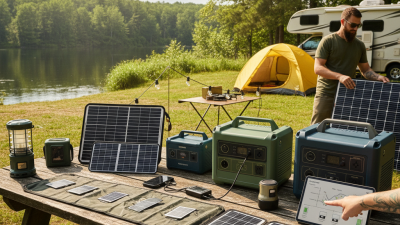
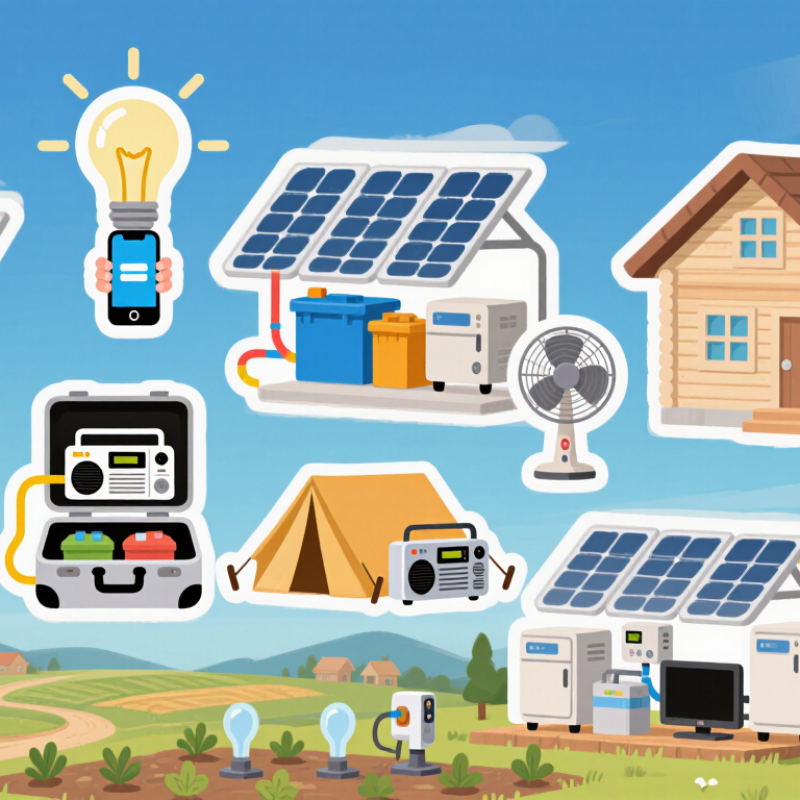
Classification depends on both design and purpose. The ten common types include direct-DC systems, battery-based DC systems, standalone AC systems, solar home systems, cabin systems, mobile RV systems, telecommunications systems, agricultural pumping systems, solar-generator hybrids, and solar-wind hybrids. A direct-DC setup may run lights or pumps without an inverter. A cabin system usually needs larger storage and stronger surge capacity. Agricultural systems often prioritize daytime pumping instead of nighttime comfort.

In practical installations, measured loads matter more than optimistic estimates. A refrigerator may start with a brief surge several times higher than its running demand. Dust, shade, heat, and winter sunlight can also reduce production. I have found that users often underestimate cooking and water-pumping loads. That mistake becomes expensive. Oversizing every component is not perfect either, because unused capacity raises cost and may complicate maintenance. A reliable design records seasonal sunlight, cable distances, battery temperature, and backup needs before selecting equipment. Each classification helps, but no category replaces site-specific testing.

Battery-Based Solar Systems for Basic Stand-Alone Power

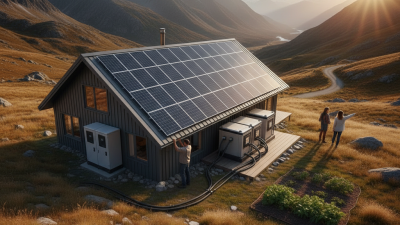
Battery-based solar systems provide dependable electricity when the utility grid is unavailable. They collect sunlight through solar panels, store it in batteries, and deliver power through an inverter. A basic stand-alone setup usually includes a charge controller, battery bank, inverter, fuses, disconnects, and correctly sized cables.

Begin by listing real electrical loads. LED lights, phone chargers, a small radio, and a communications device need far less energy than a refrigerator or pump. A 1,000-watt inverter may start a refrigerator, but its battery must support the starting surge. Daily energy use, cloudy weather, and nighttime demand should guide battery sizing. Nameplate capacity is not fully usable. Lead-acid batteries often require ventilation and limited discharge, while lithium iron phosphate batteries typically offer deeper usable capacity.

Safety depends on details. Place suitable fuses close to the battery, protect cables from abrasion, and use a properly rated disconnect. Grounding and enclosure requirements should follow local electrical rules. Never guess.

In practical installations, weak cable connections can create heat and unexpected voltage loss. A monitoring device helps reveal low battery voltage, excessive loads, or poor charging. It is easy to oversize the inverter and overlook the battery bank. I still question optimistic sunlight estimates, especially during long rainy periods. A modest system with efficient loads often performs better than a powerful system built on unrealistic assumptions.

Hybrid and Generator-Assisted Solar Systems for Reliable Energy

Top 10 Types of Off Grid Solar Power Systems

Hybrid off-grid systems combine solar panels, batteries, an inverter, and a backup generator. This arrangement protects essential loads when clouds persist or batteries reach reserve level. The International Energy Agency reported that global solar PV additions approached 420 GW in 2023. Yet sunlight remains variable, especially during winter storms. A generator-assisted system fills that uncomfortable gap. It can start automatically, recharge batteries, and support high-demand equipment such as pumps or refrigeration.

Good engineering begins with measured loads, not guesses. Record appliance wattage, starting surges, daily operating hours, and seasonal changes. Set the generator as the last practical source, not the first. Battery storage costs have fallen sharply; IRENA reported an 89% decline in utility-scale battery costs between 2010 and 2023. That figure is not a direct off-grid price, but it shows why storage deserves serious comparison. The U.S. National Renewable Energy Laboratory also emphasizes resilient controls, proper sizing, and operating limits in hybrid microgrid design. Oversizing every component still wastes money. I have seen systems fail because installers ignored cloudy-week demand.

Tips: Keep a 20–30% battery reserve for emergencies. Test the generator monthly under real load. Use weather forecasts to protect reserve capacity before storms. Separate critical circuits from optional loads. Fuel storage, ventilation, noise, and maintenance also need planning. These details feel mundane. They often decide whether the system works at 2 a.m. or merely looks impressive on paper.

Specialized Solar Systems for Homes, Farms, and Remote Facilities

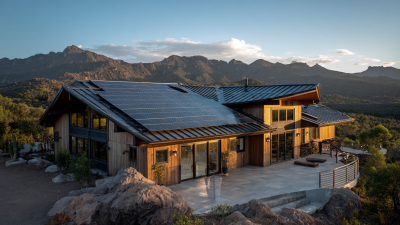
Off-grid solar systems are not one-size-fits-all installations. An isolated home may need steady power for lights, refrigeration, water pumps, and internet equipment. A remote farm often requires daytime energy for irrigation, fencing, ventilation, or cold storage. Remote facilities, such as field offices and medical stations, may need stronger backup capacity and dependable monitoring.

A practical design begins with a measured load audit, not a guess. Record each appliance’s wattage, daily operating hours, and starting surge. Then compare seasonal sunlight, roof or ground space, battery capacity, and inverter output. Homes may use compact rooftop arrays with battery storage. Farms often benefit from ground-mounted systems near wells or barns. Remote facilities may need modular solar units, protected battery rooms, and backup generation for long cloudy periods.

Small details matter. Dust can reduce panel output, while poor cable sizing creates heat and energy loss. Batteries need suitable temperature control and safe ventilation. Installers should also check grounding, weather exposure, maintenance access, and local electrical requirements. In field assessments, the largest mistake is often oversizing the panels while undersizing storage. It looks efficient on paper. It may fail before sunrise.

A reliable system leaves room for real life. Pumps run longer, visitors charge devices, and storms change production. Conservative planning costs more initially, but repeated power shortages cost more. Even careful designs need review after several months of operation. Actual usage may challenge the original assumptions.

Choosing an Off-Grid Solar System by Load, Location, and Budget

Choosing among the top ten off-grid solar system types starts with the load, not the panel count. List every appliance, its wattage, and daily runtime. A 60-watt refrigerator may demand three times that power during startup. Measure it. A spreadsheet can still lie.

Location changes the design. NREL’s PVWatts model uses a default 14% system-loss assumption, covering wiring, temperature, and equipment effects. Shading, dust, and winter clouds can increase losses. In a mountain cabin, tilt and battery reserve matter more than peak summer output. In a hot coastal area, ventilation and corrosion protection deserve attention.

The IEA’s Renewables 2023 report states that solar PV supplied about 75% of global renewable capacity additions in 2023, but strong solar growth does not remove local weather risks.

Budget determines how much resilience you can buy. A small DC lighting system costs less than an AC system supporting pumps, tools, and refrigeration. Prioritize essential loads, then size the inverter for startup surges and the battery for several cloudy days.

The World Bank’s Tracking SDG7 report estimated that 685 million people lacked electricity access in 2022, showing why affordable, repairable systems remain important.

Do not choose the cheapest battery automatically. Replacement transport, technician access, and battery recycling can change the real cost. I still find load estimates too optimistic when users forget seasonal appliances. Recheck them before ordering.