10 Best Solar Installation Companies Worldwide?
Solar Installations are expanding quickly, but a strong market does not make every installer equally reliable. The International Renewable Energy Agency’s Renewable Capacity Statistics 2025 reports that the world added 585 gigawatts of renewable power capacity in 2024. Solar contributed about 452 gigawatts. These figures show the scale of the opportunity, not the quality of any particular company. A rooftop still needs careful design, sound equipment, and skilled workmanship.
As IEA Executive Director Fatih Birol said, “Solar is the new king of electricity, and the world is on track to add more solar capacity in the next five years than it has in the past 20 years.” That growth makes informed comparisons more important. For this guide, “best” means more than global reach or a polished website. It includes installation experience, service coverage, warranty clarity, equipment options, and the ability to explain expected system performance. Local conditions matter, too. Shade from one tree can change a project’s economics.
No single ranking fits every home or business. Some companies operate across borders; others rely on regional installation partners. That distinction deserves a closer look. Company information and service areas can also change, so readers should verify current offerings before signing a contract. This guide compares ten notable providers and highlights questions worth asking, from who performs the installation to how repairs are handled. A limitation remains: company scale alone cannot guarantee a good experience. The details matter.
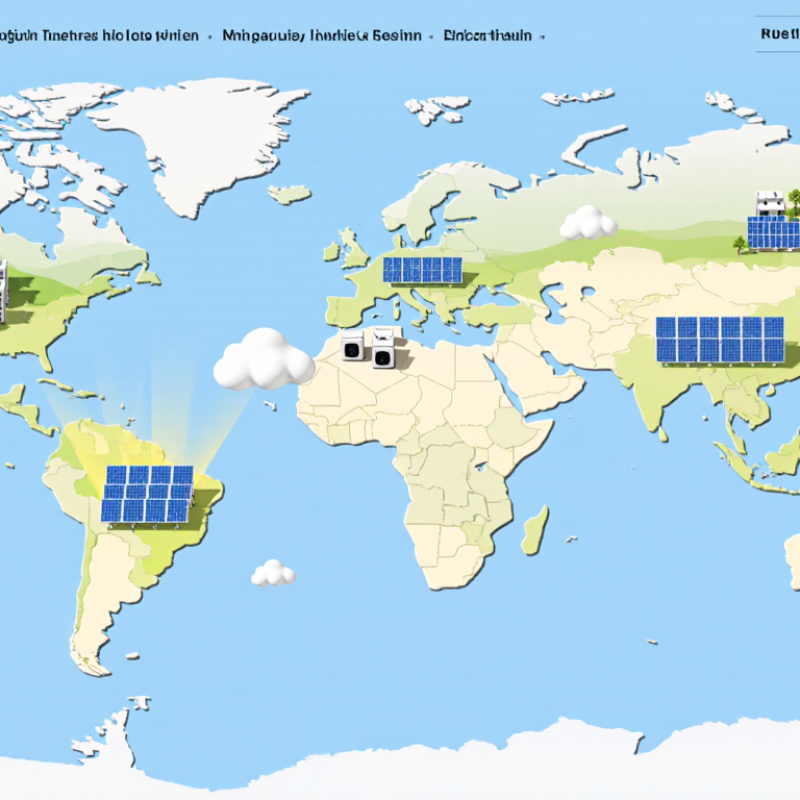
Global Solar Market Snapshot: 1,419 GW Installed by End-2023 (IRENA)
By the end of 2023, global solar capacity had reached 1,419 gigawatts, according to IRENA. That figure describes installed power capacity, not electricity produced over a year. The distinction matters: output varies with sunlight, weather, location, and system performance. Big number, different realities.
Behind the total are very different projects. A rooftop array above a workshop may serve daytime loads, while a utility-scale site can spread across open land with rows of tilted panels. Both add to global capacity, but their grid connections, maintenance needs, and land impacts differ. Capacity is not the whole story.
When comparing solar installers across markets, look beyond price and panel ratings. Ask how a design accounts for roof strength, shade, heat, dust, and grid limits. Review commissioning records, workmanship warranties, monitoring options, and service response times. These details shape performance over many years. Reporting can be uneven, too; countries may use different methods or record project completion at different times. The global figure shows the market’s scale, but it cannot predict how much electricity one particular roof will produce.
How to Evaluate Installers: Certifications, Capacity, Warranties, and Service
A reliable solar installer should be evaluated beyond the quoted price. Check that its certifications are current and relevant to your region, system type, and electrical work. Ask who holds them: the company, the site supervisor, or the individual crew members. Request sample inspection records or commissioning documents, with customer details removed. A certificate on a website is a starting point, not proof of consistent workmanship. Details matter.
Capacity affects both timing and quality. Ask how many projects the team is handling, who will supervise your installation, and whether any work is subcontracted. A realistic schedule should allow for permits, equipment delivery, roof preparation, and weather delays. If the proposal promises a very fast installation, ask what could change that timeline. Vague answers deserve follow-up.
Read warranties separately: equipment coverage, workmanship, and any energy-performance guarantee are not the same thing. Check who handles a service claim, how quickly the installer aims to respond, and whether labor or travel costs are excluded. Ask what happens if monitoring shows a sudden drop in output. Keep the written answers with your contract. Some details may still be unclear, and that is worth acknowledging before signing; assumptions are poor substitutes for clear service terms.
Ten Leading Solar Companies: Markets, Technologies, and Business Models
Solar leadership is not a single global league table. A useful comparison of ten leading firms examines their markets, technologies, and revenue models.
IRENA’s Renewable Capacity Statistics 2024 records 1,419 GW of installed solar capacity worldwide at the end of 2023. About 346 GW was added that year.
The growth is striking. Yet grid access, financing costs, and permitting delays still determine which companies can deliver projects.
The ten profiles should cover more than manufacturers. Some firms supply modules and cells; others design and build projects, or own solar farms and sell electricity. IEA PVPS’s Trends in Photovoltaic Applications 2024 tracks the expanding global market, while technology choices vary by project. High-efficiency n-type modules can help where roof area is tight. Bifacial panels and trackers may suit open, utility-scale sites. They are not automatic wins; dust, heat, and maintenance can reduce expected output.
Business models matter as much as panel performance. A rooftop installer may earn from project design and installation, while a project owner relies on long-term power sales. In practice, a sunny site is not enough. A substation connection can be the bottleneck. Comparing companies by annual capacity alone can therefore mislead; public reporting also varies, and project pipelines do not always become operating assets.
Residential and Utility-Scale Solar: 73% of New Renewable Capacity in 2023 (IRENA)
Solar accounted for about 73% of the renewable power capacity added worldwide in 2023, according to IRENA. That figure describes new capacity, not the share of electricity already generated by renewables. The distinction matters. It signals rapid construction, not a completed energy transition.
Growth spans rooftop systems on homes and large utility-scale arrays across open land. A residential installer may assess roof direction, chimney shadows, electrical-panel capacity, and local weather before sizing a system. Utility projects require broader site studies, grid connections, land-use planning, and long-term maintenance. Good installation is more than panels. It depends on sound design, clear warranties, safe workmanship, and realistic production estimates. Buyers should compare these details, not just quoted prices.
Still, a global percentage can hide uneven access. Some households lack suitable roofs, financing, or reliable grid service, while projects may face permitting and transmission delays. The pace is impressive. But figures alone do not prove quality. IRENA’s capacity data offers a useful benchmark; actual performance depends on site conditions and careful installation. More storage and stronger grid planning are also needed as solar output shifts with daylight and weather.
Choosing an Installer: Site Assessment, System Design, Permits, and Support
A credible installer begins with a site visit, not a quick quote based on a satellite image. Ask them to check roof condition, shading at different times, electrical-panel capacity, and recent electricity use. The IEA PVPS report Trends in Photovoltaic Applications 2024 estimates that 446 GW of solar capacity was installed worldwide in 2023. That rapid growth makes careful assessment more important, not less. Details matter. Request the measurements and assumptions behind the proposed system size.
A sound design should show panel placement, expected annual output, inverter selection, and any battery options as separate choices. NREL’s Q1 2023 cost benchmark modeled a residential, grid-connected solar system at $2.90 per watt of direct-current capacity. It is a benchmark, not a guaranteed local price. Compare quotes on the same basis, including equipment, labor, electrical upgrades, and exclusions. A polished forecast can still overstate production if it overlooks a chimney’s winter shadow.
Before signing, ask who prepares permit documents, coordinates inspections, and handles utility interconnection. Requirements vary by location, so the installer should explain the steps and likely schedule in plain language. Get written details on workmanship coverage, equipment warranties, monitoring access, and response times after installation. A small but useful test: ask how support works when the monitoring app shows a fault. The answer should identify a person or process, not just a promise.
| Market | Site assessment | System design checks | Permits and grid connection | Installer selection and ongoing support |
|---|---|---|---|---|
| United States | Check roof condition, shading, orientation, electrical service capacity, and local weather exposure. | Ask for a production estimate based on the site, equipment specifications, and expected shading; confirm the design follows locally adopted electrical and building codes. | Building and electrical permits, inspection, and utility interconnection are typically required. Requirements vary by state, local authority, and utility. | Confirm who handles permits and utility paperwork. Request workmanship and equipment warranty details, monitoring access, and a clear service contact. |
| Canada | Assess roof structure, snow loading, shading, orientation, and the electrical connection point. | Check that the proposed layout and mounting account for local climate conditions and applicable provincial electrical-code requirements. | Permits and interconnection procedures are set locally and can differ by province, municipality, and electricity provider. | Ask for documented design assumptions, inspection arrangements, warranty responsibilities, and a plan for repair or monitoring support. |
| United Kingdom | Review roof condition, shading, orientation, cable routes, and whether any planning constraints apply to the property. | Check that the design suits household electricity use and includes appropriate inverter and export settings. | Building regulations and distribution-network requirements may apply. Smart Export Guarantee terms are set by participating suppliers; installation eligibility conditions should be checked with the chosen supplier. | MCS certification is commonly used to demonstrate eligibility for relevant consumer schemes. Verify the installer’s current credentials, written warranty, and handover documents. |
| Germany | Assess roof structure, orientation, shading, electrical installation, and any heritage or building restrictions. | Check component compatibility, electrical protection, and whether the system is designed for self-consumption, export, or both. | Grid-operator coordination and registration in the Market Master Data Register are important steps; applicable deadlines and technical requirements should be confirmed for the project. | Request a written commissioning and registration checklist, operating instructions, warranty terms, and support for inverter or monitoring issues. |
| France | Check roof condition, shading, orientation, structural suitability, and any local planning constraints. | Review expected generation, self-consumption assumptions, export arrangements, and electrical safety provisions. | Grid connection is coordinated with the relevant network operator. Planning and electrical-compliance steps depend on the installation type and location. | Ask who manages connection applications and required compliance documents. Confirm the installer’s qualifications, insurance, warranties, and post-installation service process. |
| Australia | Assess roof condition, orientation, shading, wind exposure, and the suitability of the existing switchboard. | Check system sizing against household use, export limits, local network rules, and any battery plans. | Network approval is generally needed before connection, with requirements varying by distribution network. Small-scale Technology Certificates have eligibility requirements, including approved products and accredited design and installation. | Verify current accreditation and eligibility for any certificate-related benefit. Request commissioning records, safety documentation, and clear warranty and service contacts. |
| Japan | Review roof structure, shading, wind and snow conditions, electrical capacity, and applicable building constraints. | Check that the design accounts for local conditions, grid connection requirements, and the customer’s intended use of generated electricity. | Utility interconnection procedures apply. Projects seeking support under applicable feed-in or premium schemes must meet the relevant certification and program requirements. | Ask for a written explanation of grid-connection steps, commissioning checks, equipment warranties, monitoring, and the process for service calls. |
| India | Check roof strength, shading, orientation, available area, and the building’s electrical connection. | Confirm system sizing, expected generation assumptions, safety protections, and compatibility with the local distribution network. | Net-metering and interconnection procedures are determined by state rules and the relevant distribution company. Central residential subsidy participation has its own portal and vendor requirements. | For subsidy-linked projects, verify current vendor eligibility and the required application steps. Request commissioning documents, warranty terms, and a local service plan. |
| Brazil | Assess roof structure, shading, orientation, local weather exposure, and the electrical service arrangement. | Check system sizing, protection equipment, metering needs, and compliance with applicable distributed-generation and utility requirements. | Connection requests and technical procedures are handled with the local distribution utility under national distributed-generation rules and applicable regulations. | Confirm who prepares the utility application and technical documents. Request commissioning records, warranty coverage, monitoring details, and a named support channel. |
| South Africa | Review roof condition, shading, orientation, electrical capacity, and any municipal or utility-specific requirements. | Check inverter settings, protection, export arrangements, and whether the design matches the local network’s technical rules. | Registration or approval requirements depend on the municipality, utility, system size, and applicable national rules; verify them before installation. | Ask the installer to identify all required approvals and provide proof of commissioning, safety checks, warranties, and a plan for ongoing maintenance. |
| How to use this comparison: Local codes, tariffs, incentives, utility processes, and eligibility rules can change and may vary within a country. Confirm current requirements with the relevant authority, network operator, and program administrator before signing a contract. A thorough proposal should include a site-specific assessment, itemized system design, expected-generation assumptions, permit responsibilities, warranty terms, and after-installation support. | ||||
Related Posts
-
Unlocking Best Solar Energy Solutions with 5000 Watts Power Plus Efficiency Ratings
-
Harnessing Solar Powered Generators at the 138th China Import and Export Fair in 2025
-
2026 Best Off Grid Solar Power Solutions for Global Buyers?
-
2026 Best Solar Energy Solutions for Global Buyers
-
What Are the Best Solar Power Systems in 2026?
-

Ultimate Guide to Residential Solar Systems Tips for Homeowners