Top 10 3 Wheel Electric Auto Manufacturers Worldwide?
The global market for 3 Wheel Electric Auto is expanding beyond small urban deliveries. These vehicles now serve passenger transport, street vending, campus mobility, and neighborhood logistics. Their compact frames can pass through narrow lanes, while electric drivetrains reduce local noise and routine fuel expenses.
This introduction examines ten leading manufacturers shaping the worldwide market. The comparison considers practical evidence, not brand visibility alone. Key factors include battery chemistry, driving range, payload capacity, charging time, safety equipment, and after-sales support. Production scale also matters, especially for operators needing consistent parts and dependable service. Public company information, distributor data, fleet feedback, and industry reports provide the foundation for evaluation. Real work matters.
A strong manufacturer should offer more than an attractive cabin and a low purchase price. Buyers must examine frame strength, braking performance, weather protection, warranty coverage, and battery replacement access. Regional regulations can change vehicle classifications and operating requirements. Therefore, a model successful in India may not suit European cities or African delivery routes. Data can mislead. Published range figures often reflect controlled conditions, not crowded streets, steep roads, heavy loads, or air-conditioning use.
The ranking remains a practical guide, rather than an absolute verdict. Market leadership changes with technology, pricing, local partnerships, and customer experience. Some manufacturers publish limited technical details, which makes direct comparison difficult. That weakness deserves attention. By examining both measurable specifications and real-world usability, this overview helps fleet owners, distributors, and individual buyers make more informed decisions. Reliability is not promised by a logo; it is demonstrated through daily operation, responsive service, and transparent product information.
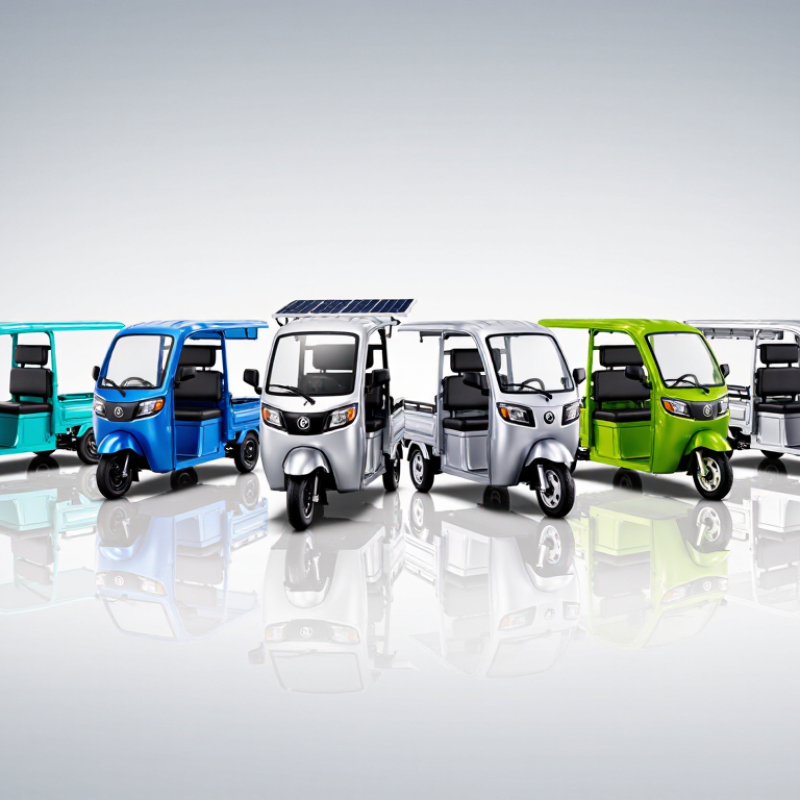
What Defines a Three-Wheel Electric Auto Manufacturer?
A three-wheel electric auto manufacturer is more than an assembler of batteries, motors, and body panels. It develops a complete transport system for real streets. Engineers must balance stability, turning behavior, cabin space, and energy use within a narrow footprint. Battery placement matters. A low pack can reduce body movement during corners, while strong frame joints protect occupants during everyday impacts.
Professional manufacturers verify these decisions through repeated road testing. They check braking on wet pavement, hill performance, steering response, and battery temperature in summer traffic. Clear technical records also matter. Buyers and fleet operators should find rated load limits, charging times, service intervals, and warranty conditions without guesswork. Numbers alone are not enough. Test methods should be explained.
Manufacturing consistency separates a reliable producer from a temporary workshop. Each vehicle needs controlled welding, electrical inspection, software checks, and final brake testing. Small faults can become expensive when several vehicles operate daily. Support after delivery is equally important. Trained technicians, available replacement parts, and practical diagnostic tools keep vehicles useful beyond the showroom.
No design is perfect. A firm suspension may improve corner control but reduce comfort on rough roads. A larger battery may extend range but add weight and charging time. Manufacturers should acknowledge these compromises instead of hiding them behind polished claims. Their experience appears in ordinary details: a door that closes cleanly, a connector protected from rain, and a service manual that a technician can actually follow.
How the Top Ten Manufacturers Are Selected
Top 10 3 Wheel Electric Auto Manufacturers Worldwide?
Selecting the top ten requires more than counting online mentions or factory claims. We examine verified production, delivered vehicles, market coverage, and after-sales support. The IEA Global EV Outlook 2024 reports that India sold about 580,000 electric three-wheelers in 2023. That figure shows why regional sales data matters. A manufacturer with strong local results should not automatically outrank a supplier with wider international operations.
Our evaluation uses six weighted areas: annual deliveries, vehicle reliability, battery safety, charging compatibility, service availability, and regulatory compliance. We also review warranty terms, spare-parts access, fleet testing, and independent certification. IDTechEx reports continued growth in electric three-wheelers, especially for urban delivery and passenger transport. Therefore, operating performance receives more weight than advertising volume. Real vehicles on crowded streets tell us more.
We compare at least three years of evidence whenever possible. Manufacturing capacity alone is insufficient. A large factory can still have weak maintenance networks. Publicly available data also differs between countries, creating an uneven comparison. No ranking is perfect. That limitation matters. We reduce uncertainty by cross-checking government registrations, audited reports, trade databases, and field feedback from fleet operators. The final ten represent measurable scale, practical durability, and credible international potential, not simple popularity.
Top 10 3 Wheel Electric Auto Manufacturers Worldwide?
How the Top Ten Manufacturers Are Selected
The ranking framework evaluates manufacturers using six measurable industry criteria: production scale, international market coverage, product diversity, vehicle range, safety and regulatory compliance, and after-sales support. The percentage values represent the editorial weighting assigned to each criterion, with a total score of 100%.
Top 10 Three-Wheel Electric Auto Manufacturers Worldwide
The top 10 three-wheel electric auto manufacturers worldwide are best judged by practical performance, not publicity alone. Strong manufacturers combine reliable motors, durable frames, safe battery systems, and accessible maintenance support. Their vehicles serve urban deliveries, passenger transport, campus mobility, and short-distance logistics.
A useful comparison examines battery range under real traffic, not laboratory conditions. A loaded vehicle climbing a wet hill may perform differently. Charging time, battery replacement costs, cabin protection, and spare-part availability also reveal manufacturing quality. Experienced buyers should check welding points, brake response, suspension movement, and dashboard visibility during a physical inspection. Technical certifications and transparent warranty terms add confidence. However, rankings can remain imperfect because local roads, weather, electricity prices, and service networks vary widely. A model praised in one country may struggle elsewhere.
Tips: Ask for a loaded test drive. Request verified range data. Inspect the battery warranty carefully. Check whether trained technicians operate nearby. Review fleet feedback after six months, not only during delivery week. Small details matter. A loose door, weak headlamp, or noisy wheel bearing can become expensive later. Manufacturer claims should be compared with invoices, maintenance records, and independent user experience.
Regional Presence and Emerging Industry Trends
Top 10 3 Wheel Electric Auto Manufacturers Worldwide: Regional Presence and Emerging Industry Trends
The global three-wheel electric auto market is expanding through practical urban transport. Manufacturers across South Asia, Southeast Asia, Africa, and Latin America are adapting vehicles to local roads, weather, and passenger needs. In South Asian cities, high passenger demand supports compact autos with swappable batteries and simple maintenance. Southeast Asian producers often focus on delivery models, where narrow streets and frequent stops reward efficient designs. African markets are showing interest in electric cargo autos, especially for short commercial routes. Latin American companies are testing passenger and utility versions near dense urban districts.
Regional presence depends on more than factory capacity. Local service networks, battery access, financing, and spare-part supply can decide whether a vehicle succeeds. Field testing shows that heat, dust, steep roads, and overloaded cabins quickly expose weak components. That evidence matters more than attractive laboratory range figures. Yet, some market forecasts seem too confident. Charging infrastructure remains uneven, and battery replacement costs are still difficult to predict. Regulatory approval also differs widely between cities and countries.
Tips: Compare real-world range, payload, charging time, and maintenance support before selecting a manufacturer. Ask for independent safety data and warranty terms. Check ground clearance for rough roads. Small details matter. Operators should record daily energy use and repair frequency for several months. This creates more reliable purchasing evidence, although many businesses still rely on short demonstrations.