Top Auto DC Pump Types for Your Vehicle Needs?
Choosing the right Auto Dc Pump can be a daunting task. Different vehicles have unique needs. Understanding these needs is key to making a smart choice.
Auto DC pumps are crucial for various applications. They are often used in fuel delivery, water circulation, and hydraulic systems. Each type has its specific advantages and limitations. For instance, a high-capacity pump might serve one vehicle well but could be overkill for another.
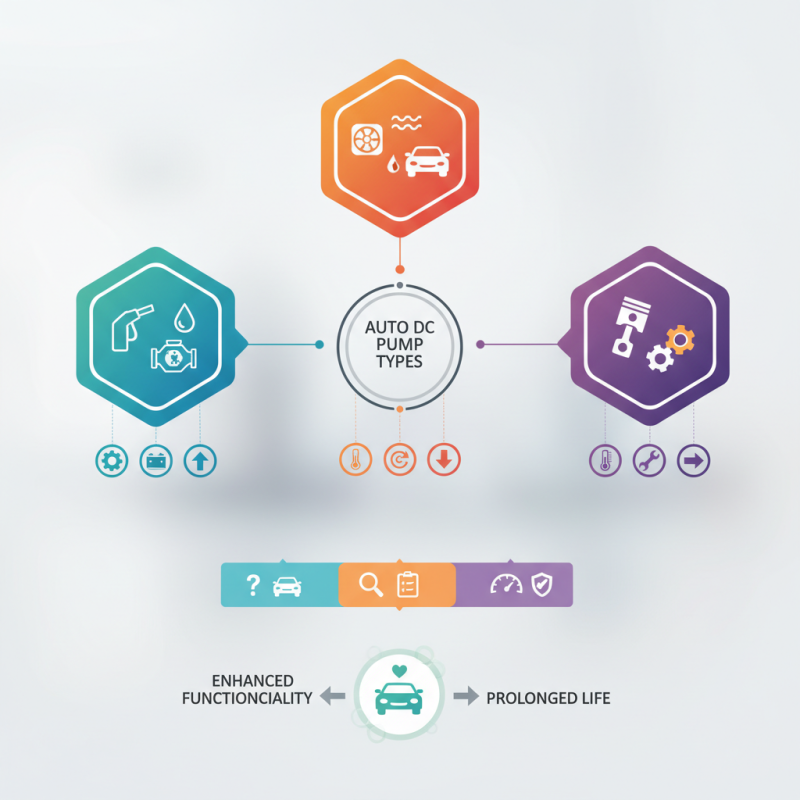
Many car owners find themselves confused by the options. Some pumps promise high efficiency, while others focus on durability. It's essential to reflect on what your vehicle truly needs. This ensures you don't make an impulsive decision that may lead to performance issues later on. The right auto DC pump not only enhances functionality but also prolongs the life of your vehicle’s systems.
Understanding the Importance of Auto DC Pumps in Vehicles
Auto DC pumps play a crucial role in various vehicle systems. They are responsible for moving fluids efficiently. This includes fuel, oil, and coolant. A well-functioning pump ensures optimal performance. A faulty pump can lead to serious issues. Ignoring this can result in costly repairs and inconveniences.
Tips for maintaining your auto DC pump:
- Regularly check for leaks.
- Listen for unusual noises.
- Change filters as recommended.
These small steps can prevent major problems. It’s important to stay informed about your pump’s condition.
Vehicle performance is linked to the health of its components. Replacing a worn-out pump may seem minor but can greatly improve efficiency. Consider the impact of neglect. A new pump can enhance mileage and reduce emissions. It’s worth the investment in time and resources.
Types of Auto DC Pumps and Their Applications
When it comes to auto DC pumps, several types serve various vehicle needs. These pumps are crucial for transferring fluids efficiently. Submersible pumps are commonly used for clean water. They operate while submerged, making them ideal for tanks. Their compact design allows easy installation. However, maintenance could be challenging due to sediment accumulation.
On the other hand, inline pumps are effective for fuel transfer. These pumps work outside the fluid and are known for their reliability. They can be fitted in tight spaces, maximizing available room. Users may face issues with vibrations leading to noise. Choosing the right type often depends on specific applications, such as water systems or fuel lines.
Self-priming pumps are another option for vehicles requiring faster fluid movement. They can lift fluid from below their position, a useful feature. Yet, not all self-priming pumps perform equally in various conditions. Potential users should closely evaluate their needs because mismatched applications can hinder performance. Each type of pump has its pros and cons, making thoughtful selection essential.
Top Auto DC Pump Types for Your Vehicle Needs
| Pump Type | Max Flow Rate (GPH) | Voltage (V) | Application |
| Submersible Pump | 500 | 12 | Fuel Transfer |
| Diaphragm Pump | 300 | 12 | Water Pumping |
| Gear Pump | 100 | 24 | Oil Circulation |
| Peristaltic Pump | 200 | 12 | Fluid Transfer |
| Inline Pump | 700 | 12 | Cooling Systems |
Key Features to Consider When Choosing an Auto DC Pump
When selecting an auto DC pump, consider several critical features. The pump's flow rate is essential. It determines how quickly fluid moves. A pump with a higher flow rate often saves time on tasks. Compatibility with your vehicle's system is vital too. A mismatch can lead to inefficient performance.
Durability plays a significant role as well. Choose a pump made from high-quality materials. It should withstand various conditions. A unit that fails under pressure can cause headaches. Noise levels are another factor. Some pumps create loud sounds. Others operate quietly. A quieter pump enhances your driving experience.
Evaluate the size and weight of the pump too. A compact design is easier to handle and install. Heavy pumps can complicate installation. Lastly, consider the power consumption. An efficient pump can save energy. Balancing these features can be challenging. Don’t rush the decision-making process. Think carefully about your needs and vehicle requirements.
Top Auto DC Pump Types for Your Vehicle Needs
This chart illustrates the performance rating of various types of auto DC pumps. Each type is rated on a scale of 1 to 10, which reflects their effectiveness for different vehicle needs. From self-priming pumps to peristaltic pumps, this data can help in making informed decisions when selecting an auto DC pump.
Comparison of Popular Auto DC Pump Brands and Models
When selecting an auto DC pump, several brands dominate the market. Research indicates that efficiency and durability are crucial factors. A recent industry report highlights that over 70% of users prioritize these aspects when choosing a pump. The longevity of the pump can affect your vehicle's performance significantly.
Some models showcase impressive flow rates, often exceeding 5 liters per minute. However, not all pumps deliver consistent pressure. This inconsistency might lead to various operational issues in the long run. Users often report varying experiences with pressure regulation, especially in cheaper models.
Customer reviews indicate that noise levels can also differ widely among brands. Quiet operation is essential for many drivers. Surprisingly, a substantial number of users highlighted that they had to switch brands due to excessive noise. Such feedback prompts a reconsideration of what features truly matter. In the end, weighing performance against user experience becomes vital in making an informed choice.
Maintenance Tips for Extending the Life of Your Auto DC Pump
Maintaining your auto DC pump is crucial for optimal vehicle performance. Regular checks can prevent failures that lead to costly repairs. According to a report from the Automotive Research Council, a well-maintained pump can last up to 30% longer than one that is neglected.
Inspect the pump regularly for signs of wear or leaks. Look closely at the connections and hoses. Replace any worn parts immediately. Many vehicle owners overlook these simple steps. However, routine inspections can save time and money in the long run. Research indicates that 40% of pump failures are due to improper maintenance.
Keep the pump clean. Dust and debris can reduce efficiency. Cleaning should be part of your monthly maintenance schedule. Additionally, ensure that electrical connections are secure and free from corrosion. Regularly checking these can reduce the risk of unexpected breakdowns. While it can feel tedious, staying on top of maintenance provides peace of mind for drivers.