Top Solar Technologies to Harness for a Sustainable Future?
As the world grapples with climate change, the urgency for sustainable energy solutions intensifies. Solar technologies emerge as frontrunners in this endeavor. According to the International Energy Agency (IEA), solar power could contribute over 22% of global electricity by 2040. This potential makes it vital to explore the latest advancements in solar technologies.
Dr. Emily Chen, a leading expert in renewable energy, emphasizes, "Innovative solar technologies can not only power homes but also change industries." This highlights the transformative potential of these technologies, yet challenges remain. For example, efficiency rates for solar panels still need improvement. Many panels on the market convert only 15-20% of sunlight into energy.
Furthermore, the integration of solar technologies into existing infrastructures poses obstacles. Urban areas often lack the necessary space for effective solar installations. Addressing these challenges is crucial for widespread adoption. Engaging with solar technologies means committing to research and development. The future relies on how well society embraces these solutions for lasting change.

Overview of Solar Energy Technologies for Sustainability
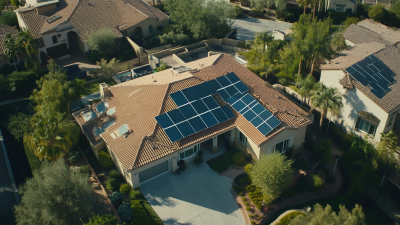
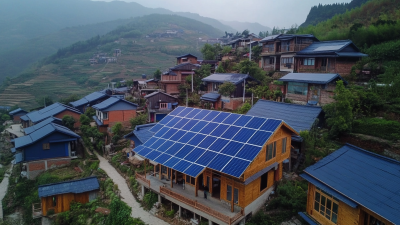
The importance of solar energy technologies cannot be overstated. The International Energy Agency (IEA) reported that solar power capacity reached 1,000 gigawatts globally in 2020, showcasing a growing trend toward renewables. Photovoltaics (PV) dominate the solar market, accounting for about 90% of global capacity. This technology converts sunlight directly into electricity, making it accessible for both residential and commercial use.
Concentrated solar power (CSP) is another promising technology. CSP systems use mirrors or lenses to concentrate sunlight, generating heat that produces electricity. It offers a unique advantage—thermal energy storage. According to the U.S. Department of Energy, CSP systems can maintain electricity generation even when the sun isn’t shining.
Yet, challenges persist. Efficiency rates for PV are still around 15-20%, which raises questions about scalability. Additionally, the production and disposal of solar panel materials can pose environmental risks. With some technologies still needing improvement, the industry must invest more in research and development. This reflects the ongoing journey towards a truly sustainable energy future. Solar energy technologies hold immense potential, but their implementations must be critically evaluated.
Photovoltaic Systems: The Backbone of Solar Power Generation
Photovoltaic systems serve as the backbone of solar power generation. The technology converts sunlight directly into electricity, making it fundamental for a sustainable future. According to the International Energy Agency (IEA), solar photovoltaic capacity reached 850 gigawatts globally in 2021, with a projected growth rate of over 20% per year. This boom signifies a shift towards cleaner energy sources, yet challenges remain.
Efficiency is a key focus. Current photovoltaic cells convert about 15-22% of solar energy into usable electricity. Research from the National Renewable Energy Laboratory shows potential approaches could elevate this efficiency. However, the cost of production still needs attention. While prices have decreased, with solar modules costing about $0.35 per watt in recent years, the need for more affordable options persists.
Tip: Consider the orientation and installation of solar panels. Proper angles can significantly enhance efficiency.
Keeping energy storage in mind is essential. As solar production peaks during the day, storage systems are needed to utilize energy at night. This is still an area needing reflection and improvement. The shift to renewable energy is promising, but there's much work to be done in optimizing systems for broader adoption.
Tip: Explore community solar initiatives if individual installations seem daunting.
Concentrated Solar Power: Harnessing Heat for Energy
Concentrated Solar Power (CSP) uses mirrors or lenses to focus sunlight.
This method generates heat, which can produce electricity. CSP is efficient in sunny regions.
It provides a steady power supply, even when the sun sets.
CSP systems require significant investment. The technology needs to improve in cost-effectiveness.
Sometimes, maintaining equipment can be challenging. Consider local climate conditions before installation.
Not every location is ideal for CSP.
Tips for those interested in CSP:
Start small. Research local regulations and resources. Evaluate your energy needs carefully.
Always consult with experts who understand CSP technologies.
Engaging with experienced professionals can clarify doubts.
Make informed decisions for better sustainability.
Emerging Innovations in Solar Panel Materials and Efficiency
The shift towards sustainable solar technologies is gaining momentum. Innovations in solar panel materials are crucial for improving efficiency. Recent reports indicate that perovskite solar cells can achieve efficiencies exceeding 25%. This is a significant leap when compared to traditional silicon panels, which hover around 20%. The adjustable bandgap of perovskite materials allows for better light absorption, leading to greater energy conversion.
Moreover, transparent solar panels are emerging as a game-changer in the industry. According to a study by the National Renewable Energy Laboratory, integrating transparent solar technology into windows could generate up to 40% of energy needs in commercial buildings. This presents a unique solution for urban areas where space is limited. However, the durability and long-term stability of transparent materials require further investigation.
Recycling and sustainability also play a pivotal role in the solar industry. Estimates suggest that by 2035, the recycling market for solar panels could exceed $15 billion. This not only addresses waste issues but also promotes a circular economy. Despite the progress, challenges remain, such as the environmental impact of mining raw materials. Continuous research is essential to refine these technologies and ensure their minimal environmental footprint.
Energy Storage Solutions: Integrating Solar Power into Daily Use
Energy storage is crucial for effective solar power use. With solar energy production fluctuating throughout the day, integrating storage solutions ensures a consistent power supply. The International Renewable Energy Agency (IRENA) reports that global energy storage capacity reached 177 GWh in 2023, highlighting significant advancements in this area.
Battery technology is evolving swiftly. Lithium-ion batteries dominate the market, accounting for over 90% of energy storage systems as of 2023. However, they present challenges, including resource scarcity and environmental concerns. Research indicates that recycling lithium-ion batteries can recover up to 95% of materials, minimizing waste and encouraging sustainability.
Emerging technologies, like flow batteries and solid-state batteries, promise to enhance energy storage. Flow batteries offer scalability and longer life cycles, which make them ideal for large-scale applications. Solid-state batteries aim to improve safety and efficiency. Nonetheless, these technologies require significant investment and time to reach commercialization. The transition to a sustainable energy future relies on overcoming these hurdles collaboratively, emphasizing the need for innovation and responsible practices.