Why Choose Commercial Solar for Your Business?

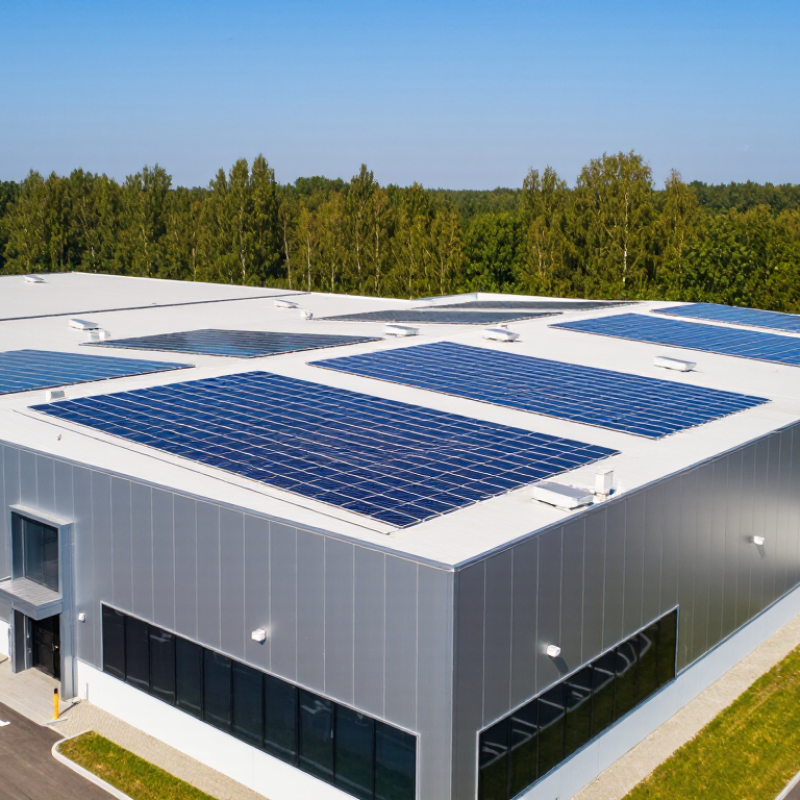
For many businesses, Commercial Solar is no longer a distant sustainability idea. It is a practical decision shaped by rising electricity prices, energy resilience, and long-term operating costs. A warehouse roof, retail car park, or factory wall can become a productive business asset. Solar panels generate power during daylight, when many companies run equipment, cooling systems, and computers.

Abigail Ross Hopper, president and CEO of the Solar Energy Industries Association, has said, “Solar is a critical part of America’s energy future.” Her view also applies to commercial planning. A well-designed system can reduce grid purchases, support emissions targets, and improve budget predictability. However, the strongest projects begin with evidence, not enthusiasm. Engineers should review twelve months of utility bills, roof condition, shading, electrical capacity, and local connection requirements. Battery storage may help businesses manage evening demand or short outages. It also adds cost and technical complexity.

The case is strong, but not effortless. A poorly assessed roof can create an expensive lesson. Inverter failures, unclear warranties, and changing utility rules can weaken projected returns. Businesses should compare production estimates with conservative assumptions. They should also request documented experience from installers and independent financial advice when needed. Commercial Solar works best when technology, finance, maintenance, and workplace goals align. The panels are visible, but the real value sits in careful planning, dependable equipment, and disciplined follow-through.
Why Choose Commercial Solar for Your Business?

What Commercial Solar Power Means for Businesses

Why Choose Commercial Solar for Your Business?

What Commercial Solar Power Means for Businesses

Commercial solar power means more than placing panels on a roof. For a business, it is a practical energy system that generates electricity where operations happen. During sunny hours, solar production may support lighting, refrigeration, computers, or workshop equipment. A qualified installer should review roof strength, shading, electrical demand, and local connection requirements. This assessment matters because a large roof does not always mean a suitable roof. In my experience, strong projects begin with measured energy data, not optimistic assumptions. Solar can reduce exposure to changing electricity prices, but savings depend on system size, maintenance, financing, and weather.

Businesses also need to understand what solar cannot do. Panels produce less power at night and during heavy cloud cover. Battery storage can improve flexibility, yet it adds cost, space needs, and technical decisions. A clear proposal should show expected production, system degradation, warranties, payback estimates, and safety procedures. Ask for assumptions in writing. That simple step can reveal gaps. I would not treat a projected return as a promise. Actual results may differ because of demand changes, roof repairs, or unexpected equipment downtime. Careful monitoring helps managers compare production with monthly consumption.

Tips: Begin with twelve months of utility bills. Compare daytime usage with predicted solar output. Inspect the roof before signing a contract. Keep access paths clear for maintenance. Train staff on shutdown procedures. Recheck performance after the first season. A small shortfall is not failure, but it deserves investigation. Consider future expansion, because electrical needs often change faster than expected.

How Commercial Solar Systems Work

Why Choose Commercial Solar for Your Business?

How Commercial Solar Systems Work

A commercial solar system turns sunlight into usable electricity through several connected stages. Solar panels generate direct current when sunlight reaches their cells. An inverter then converts that power into alternating current for office equipment, refrigeration, lighting, or machinery. A monitoring system records production and alerts operators when output changes.

During a typical workday, the system supplies solar power to the building first. If production exceeds demand, excess electricity may flow to the grid, depending on local utility rules and the approved connection agreement. If the building needs more power, it draws electricity from the grid. Batteries can store surplus energy for later use, but they add cost, weight, and maintenance requirements.

A reliable design begins with real data. Engineers review twelve months of electricity bills, interval usage, roof condition, shading, and equipment loads. A warehouse with heavy daytime demand may use more solar power directly than a small office. The numbers matter.

Tips

Ask for a clear production estimate, equipment warranty terms, and a maintenance plan. Check how the system performs during cloudy periods. Keep the roof inspection report. One overlooked skylight or aging roof section can change the project cost. Solar planning is not flawless; usage patterns may shift after installation, so yearly monitoring and adjustment remain important.

Key Financial Benefits of Commercial Solar

Why Choose Commercial Solar for Your Business?

Key Financial Benefits of Commercial Solar

Commercial solar can reduce electricity costs for offices, warehouses, and retail sites. A well-sized system may lower monthly utility payments for many years. It can also reduce exposure to rising energy prices. That matters when a facility runs lighting, cooling, refrigeration, or machinery every day. In commercial energy assessments, the strongest savings often come from matching solar production with daytime demand. Cash flow becomes easier to forecast.

The financial case needs careful checking. A system may lower demand charges, but the result depends on local rate structures and operating hours. Tax incentives, rebates, and financing terms also vary by location and project type. A professional assessment should examine roof condition, shading, equipment life, insurance, and maintenance costs. The numbers are not always impressive at first. Payback estimates can shift when electricity prices, production, or future building use changes. That uncertainty deserves honest attention.

Tips: Request several production estimates. Compare total ownership costs, not only installation prices. Ask how roof repairs could affect the project. Review payment schedules and expected maintenance in writing. Keep a reserve for unexpected repairs. A simple spreadsheet can expose weak assumptions. For example, compare a warehouse’s annual bill with its projected solar output and remaining grid purchases. This practical review can reveal whether the investment supports steady savings or needs a different design.

Environmental and Operational Advantages

Commercial solar can turn unused roof space into a working energy asset. A site assessment checks roof condition, shading, electrical load, and seasonal sunlight. These details matter more than a simple panel count. On a warehouse, morning shadows from nearby structures may reduce output. A professional design accounts for that pattern before installation. Solar generation can lower dependence on grid electricity during daylight operating hours. That may reduce emissions linked to conventional power generation.

The operational benefits are practical. On-site generation can make energy costs more predictable, especially for facilities with steady daytime demand. Digital monitoring helps teams spot unusual production, inverter faults, or dust-related losses. Maintenance becomes more informed. Batteries may extend solar use after sunset, but they add cost, weight, and replacement considerations. They are not automatically the right choice. A careful energy review should compare storage with load shifting, efficiency upgrades, and existing utility rates.

Solar can support sustainability reporting when production and emissions data are measured consistently. It may also improve resilience during some grid disruptions, depending on system design and local requirements. However, performance is never perfectly constant. Cloud cover, equipment aging, roof repairs, and changing workloads affect results. That uncertainty deserves honest planning. A credible project includes realistic yield estimates, safety inspections, clear maintenance access, and records that staff can verify. The strongest systems fit the building, not just the sales proposal.

Factors to Consider Before Choosing Commercial Solar

Before choosing commercial solar, measure how your business uses electricity. A warehouse with daytime refrigeration may match solar production well. A restaurant with evening demand may need batteries or grid power. The International Energy Agency reported about 420 gigawatts of new solar capacity worldwide in 2023. Falling prices are encouraging, but a large market does not guarantee a suitable project.

Start with twelve months of utility bills, not a sales estimate. Check peak demand charges, seasonal loads, export rules, and future equipment plans. A roof inspection should confirm age, shading, drainage, and structural capacity. The National Renewable Energy Laboratory recommends site-specific production modeling because orientation, weather, and losses can materially change output. A spreadsheet can still lie.

Financing also needs careful testing. Compare cash purchase, loans, leases, and power purchase agreements using total cost, escalation clauses, tax treatment, and ownership of renewable-energy credits. The U.S. Department of Energy notes that operations and maintenance planning supports long-term system performance. Ask who handles inverter failure, monitoring, inspections, and roof repairs. Performance warranties sound reassuring. Read the exclusions. I would not approve a project before reviewing interconnection timelines and fire-safety requirements with qualified professionals. A modest system with clear assumptions may outperform an oversized installation that exports valuable power cheaply.

Why Choose Commercial Solar for Your Business? — Factors to Consider Before Choosing Commercial Solar
Factor to Consider Typical U.S. Commercial Benchmark Business Importance What to Evaluate Before Choosing Solar
System Size Approximately 100 kW to 5 MW for many commercial projects High Size the system according to electricity consumption, available roof or ground area, utility rules, and the amount of energy the business can use during daylight hours.
Annual Energy Production About 1,100–1,700 kWh per installed kW each year, depending on location and system design High Solar resource, roof orientation, shading, tilt, weather, and equipment losses all affect actual production. Local production modeling is more reliable than using a national average.
Installed Cost Roughly $1.00–$2.50 per watt before incentives for many commercial installations High Compare complete project costs, including engineering, permits, structural work, interconnection, financing, monitoring, and any required roof repairs.
Electricity Bill Reduction Commonly 30%–100% of annual electricity consumption, depending on system size and load profile High The greatest savings usually occur when the business consumes substantial electricity during daylight hours. Demand charges and export rates can materially change the result.
Expected Payback Period Often approximately 5–12 years, depending on tariffs, incentives, financing, and project cost High Request a cash-flow model showing energy savings, degradation, maintenance, financing costs, taxes, incentives, and utility-rate assumptions rather than relying only on a headline payback figure.
Federal Incentive Availability Eligible U.S. projects may qualify for a 30% investment tax credit under applicable current rules High Eligibility can depend on ownership structure, project location, labor requirements, domestic-content rules, and other statutory conditions. Confirm current requirements with a qualified tax professional.
System Service Life Solar modules commonly operate for 25–35 years; inverters may require replacement sooner High Review product and performance warranties, expected inverter replacement costs, monitoring provisions, and the contractor’s long-term service obligations.
Annual Performance Degradation Typically about 0.3%–0.8% per year for modern systems Medium A lower degradation assumption improves long-term projections. Ensure the financial model uses a clearly stated degradation rate and includes production guarantees where available.
Roof or Site Requirements Approximately 100–150 square feet of usable area per installed kW for many rooftop systems High Check roof age, structural capacity, shading, access, fire-code clearances, drainage, and whether roof replacement should occur before solar installation.
Operations and Maintenance Often estimated at about 1%–2% of initial system cost annually Medium Budget for inspections, monitoring, vegetation control, cleaning where necessary, repairs, insurance, and inverter service. Costs vary with system size and site conditions.
Utility Interconnection Review timelines ranging from several months to more than one year for complex projects High Interconnection studies, transformer upgrades, export limits, and utility approval can affect both schedule and project economics. Obtain written utility requirements early.
Financing Structure Common options include cash purchase, commercial loan, lease, and power purchase agreement High Compare ownership, tax benefits, escalators, buyout terms, transfer provisions, maintenance responsibilities, and total lifetime payments across all financing options.
Environmental Benefit Each 1 kW of solar can avoid roughly 0.4–1.0 metric tons of CO₂ emissions annually, depending on the local grid mix Medium The emissions benefit is higher in regions where grid electricity has a higher carbon intensity. Use regional grid data when preparing sustainability reports or emissions targets.
Business Continuity Solar panels alone generally do not provide backup power during an outage High If resilience is important, evaluate battery storage, backup generation, automatic transfer equipment, critical-load panels, and the system’s islanding capabilities.
Benchmark figures are typical planning ranges for commercial projects in the United States. Actual results vary by location, utility tariff, site conditions, system design, financing, and applicable regulations; obtain a project-specific assessment before making an investment decision.