What Is the Best Off Grid Solar Power System in China?
Choosing the best off-grid solar system in China depends on where it will operate and what it must power. A cabin in Yunnan has different needs from a remote workshop in Inner Mongolia. Sunlight, seasonal temperatures, transport access, and daily energy use all affect system performance. Off Grid Solar Power can provide dependable electricity, but only when the panels, inverter, batteries, and protection equipment work together.
Start with a clear load estimate. List appliances, their wattage, and the hours they run each day. A refrigerator that cycles overnight creates a different demand from a pump used briefly at midday. Then compare battery capacity, inverter output, panel efficiency, and warranty terms. Details count. Check whether the supplier provides usable specifications, support, and replacement options—not just an attractive peak-power figure. In cloudy regions or during winter, additional storage or backup generation may be necessary. That can raise costs.
There is no universal winner. A compact kit may suit a seasonal cabin, while a larger, professionally designed system may better serve a home used year-round. Ask how the quoted design handles several low-sun days, battery aging, and future loads. Treat impressive performance claims carefully; real results depend on installation, maintenance, and local conditions. Even a sound estimate can miss something. Review it against actual usage before buying, and have a qualified installer confirm that the components are compatible and safely configured.
What an Off-Grid Solar Power System Is and How It Works
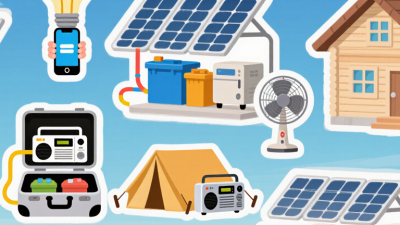
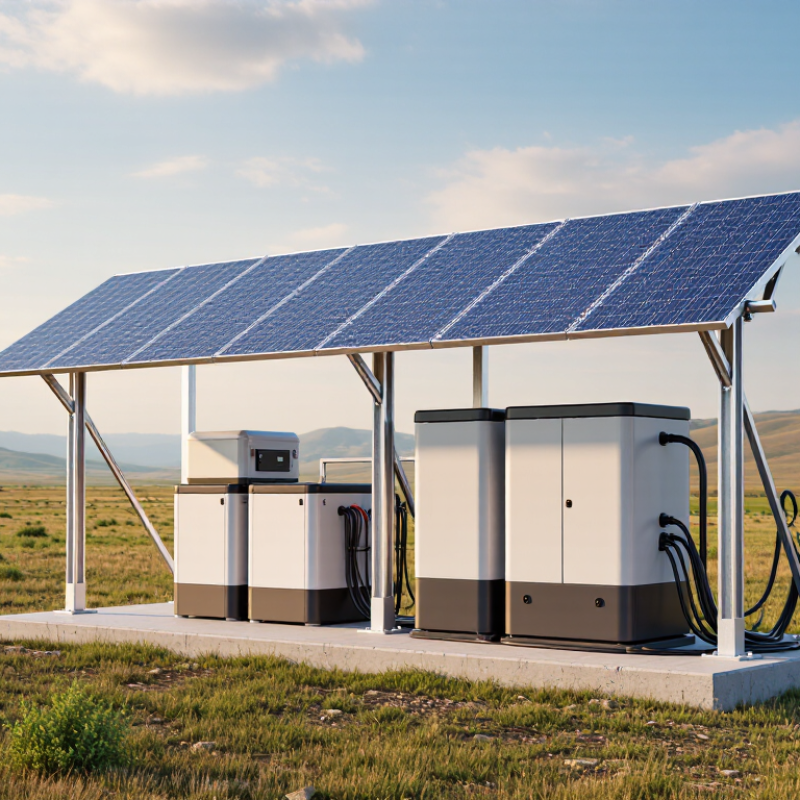
An off-grid solar power system generates electricity without relying on the utility grid. Solar panels capture sunlight and produce direct current. A charge controller manages the flow into a battery bank, helping prevent overcharging and supporting battery life. An inverter then converts stored direct current into alternating current for household appliances. No grid connection. When clouds reduce production, the batteries supply power until they reach their safe operating limit.
Good system design begins with measured energy use, not a guess about panel size. List the appliances, their wattage, and daily operating hours; a refrigerator running overnight matters more than a phone charger. In China, local sunlight, seasonal weather, and roof direction vary by region, so one configuration will not suit every home. A qualified installer can check expected loads, battery capacity, inverter output, ventilation, and protective devices. A common mistake is adding batteries to compensate for too few panels. More storage alone cannot fix a persistent energy shortfall. It is also easy to underestimate winter demand; that deserves a second look before equipment is chosen.
Key Factors for Choosing an Off-Grid Solar System in China
Choosing an off-grid solar system in China starts with an honest load estimate. List appliances, their wattage, and daily running hours. A refrigerator may cycle all day, while a kettle draws heavy power briefly. Measure real use when possible; guesses often miss seasonal changes. Small details matter.
Next, compare local sunlight, temperature, and weather exposure. A system in a cloudy southern valley needs a different panel allowance from one in a sunnier inland location. Coastal air can accelerate corrosion, and winter cold can reduce battery performance. Ask how the design handles several low-sun days, not just an ideal afternoon. Battery capacity should cover essential loads without routinely draining the battery too far. The inverter must also handle motor start-up surges from pumps or refrigerators.
Check practical service before comparing prices. Request a clear equipment list, wiring diagram, battery specifications, and written warranty terms. A qualified installer should explain protection devices, ventilation, mounting, and commissioning tests in plain language. That is not trivial. Also ask whether replacement parts and technical support are available in your area. A spreadsheet may suggest the cheapest system is best, but it cannot show how quickly help arrives after a fault. I would leave some uncertainty in the estimate: household habits change, and forecasts are never perfect. A modest design margin can be wiser than a system that works only on paper.
Main Components and Their Roles in an Off-Grid Setup
An off-grid solar system works as a chain, not a single box. Solar panels convert daylight into direct-current electricity. A charge controller regulates that power before it reaches the battery bank. The batteries store energy for evening use and cloudy periods. Choose capacity from measured daily loads, not a guess. A fridge cycling overnight can use more than expected.
An inverter converts stored DC power into AC for common household equipment. Its continuous rating must cover running loads, while surge capacity handles startup from pumps or compressors. Properly sized cables, fuses, and disconnects reduce voltage loss and help isolate faults. A monitoring device shows battery state and daily production. It can reveal patterns, though readings still need interpretation.
Tips: List each appliance’s wattage and hours of use, then estimate daily watt-hours. Keep a reserve for cloudy days, but avoid oversizing without checking costs and battery limits. Leave ventilation and service access around equipment. A tidy installation matters; however, tidy wiring alone does not prove a safe design. Have calculations and protection settings reviewed by a qualified installer.
What Is the Best Off Grid Solar Power System in China? - Main Components and Their Roles in an Off-Grid Setup
There is no single best off-grid solar system for every site. A suitable setup depends on daily electricity use, seasonal sunlight, peak power demand, backup requirements, and local electrical standards. The ranges below are practical planning references, not a one-size-fits-all design.
| Component | Role in the System | Typical Planning Range or Specification | Key Selection Guidance |
|---|---|---|---|
| Solar photovoltaic array | Converts sunlight into DC electricity to run loads and recharge the battery. | Common small-to-medium installations may use roughly 1–10 kW of PV capacity. Module efficiency is commonly around 18–23%, depending on module technology and product design. | Size the array using daily energy use and the site's least-sunny season, not just annual average sunshine. Check roof or ground area, shading, orientation, and the inverter or charge controller's permitted PV voltage and power. |
| Battery bank | Stores surplus solar energy for nighttime use and periods of low sunlight. | Lithium iron phosphate (LFP) batteries are commonly used in modern systems. A practical design may allow about 1–3 days of autonomy; usable capacity depends on the battery's permitted depth of discharge and temperature limits. | Estimate capacity from daily energy demand, desired autonomy, and conversion losses. Follow the battery manufacturer's charge, discharge, temperature, and state-of-charge limits; include a compatible battery management system. |
| Off-grid inverter | Converts battery or PV-side DC electricity into AC electricity for household and other loads. | Residential systems often fall in the approximate 3–10 kW range, but the required rating depends on simultaneous loads. Mainland China commonly uses 230 V, 50 Hz single-phase AC; larger sites may require three-phase power. | Check continuous output, short-duration surge capability, waveform, phase, and compatibility with the battery. Account for motor-starting loads such as pumps, refrigerators, and compressors. |
| MPPT solar charge controller | Regulates PV charging and tracks the array's maximum-power point to improve energy harvest. | May be built into an off-grid inverter or installed separately. Its PV input voltage, charging current, and supported battery voltage must match the system design. | Confirm that the PV string's cold-weather open-circuit voltage stays below the controller's maximum input voltage. Check that the controller can handle the planned PV power and battery charging current. |
| Battery management system (BMS) | Monitors battery cells and helps protect the battery from unsafe voltage, current, and temperature conditions. | Usually integrated into a lithium battery; some systems also use communications between the battery and inverter. | Use compatible communication and control settings where required. A BMS is a protection layer, not a replacement for correctly sized wiring, fuses, or circuit breakers. |
| Mounting structure | Secures the PV modules and sets their tilt and orientation. | Roof-mounted or ground-mounted structures are selected for the site and array layout. | Design for local wind and weather conditions, roof or ground strength, corrosion exposure, drainage, and safe maintenance access. Avoid shading between rows or from nearby objects. |
| DC and AC protection | Helps isolate faults and protect equipment, conductors, and people. | May include appropriately rated fuses or breakers, DC isolators, AC breakers, and surge protection devices. | Select devices for the relevant DC or AC voltage, current, and fault conditions. Protection must be coordinated with the inverter, battery, and cable ratings and installed according to applicable electrical codes. |
| Wiring, grounding, and bonding | Carries power between components and provides an intentional path for fault current and surge protection. | Conductor size depends on current, cable length, installation method, ambient temperature, and allowable voltage drop. | Use conductors and connectors rated for their environment and voltage. Keep cable runs appropriately short, minimize voltage drop, and have grounding and bonding designed for the site and local requirements. |
| Monitoring and energy management | Displays system performance and helps users manage loads and battery reserves. | Can report PV generation, battery state of charge, inverter output, and alarms. | Monitoring is most useful when it supports load planning and fault detection. Prioritize essential loads during extended cloudy periods and avoid routinely discharging the battery beyond its specified limits. |
| Optional backup generator | Provides backup charging or power during prolonged low-sun conditions or unusually high demand. | Capacity should match the intended loads and the inverter's generator input or charging capability. | Consider fuel availability, ventilation, noise, maintenance, and safe transfer or connection arrangements. A generator is optional and does not replace correct PV and battery sizing. |
Design note: Begin with an appliance load list showing wattage, daily operating hours, and starting surges. Estimate daily energy in kilowatt-hours, then size the PV array, battery, inverter, and protection as a coordinated system. Final equipment selection and installation should be verified by a qualified electrical professional against site conditions and applicable local standards.
Comparing Off-Grid System Types for Different Energy Needs
Choose an off-grid system by daily energy use, local sunlight, and tolerance for interruptions. One wattage figure cannot answer everything. A small DC setup can run LED lamps, phone chargers, and a router in a seasonal cabin. It avoids inverter losses and keeps the equipment simple. Small cabins differ.
For a village home with a refrigerator, water pump, and several appliances, an AC inverter system with battery storage is usually more practical. Check both daily energy use and peak starting power; pumps and compressors can draw brief surges. Battery capacity should reflect cloudy days and overnight use. A sunny-week estimate is tempting, but it may leave winter loads uncovered.
A larger modular system suits homes with heavier or growing demand, while a solar-and-battery setup with backup generation can help where long cloudy periods threaten essential loads. China’s climate varies widely, so a design for a sunny coastal site may not fit a northern winter or a cloudy mountain valley. Ask for load calculations based on actual appliances, and confirm that the inverter, battery, and charge controller work together. Even careful estimates miss habits, such as running a kettle during a pump cycle. That detail matters.
How to Size and Evaluate a System for Your Location and Budget
The best off-grid solar system in China depends on your site, not a national average. The World Bank and ESMAP Global Solar Atlas offers location-based solar resource maps; compare your coordinates across seasons. A roof in cloudy Sichuan needs a different design from a sunny site in western China. Check shading at the actual panel location, including winter shadows from nearby buildings.
Start with measured daily use. Add the watt-hours for lights, a refrigerator, pumps, and charging, then include inverter and wiring losses. For example, a 4 kWh daily load with four peak-sun hours and an estimated 75% system efficiency calls for about 1.3 kW of panels before seasonal allowances. For two days of backup, a battery with 80% usable capacity needs roughly 10 kWh nominal storage. These are planning figures, not guarantees. NREL’s PVWatts documentation can help estimate solar production, but it does not fully size an off-grid battery system.
Budget for the whole system: panels, batteries, inverter, mounting, protection, and installation. The IEA PVPS Snapshot of Global PV Markets 2024 reports that China added 216.9 GW of solar capacity in 2023. That scale shows a strong market, but it cannot predict your household’s output or costs. Ask suppliers to show monthly production assumptions, battery usable capacity, and inverter surge ratings. I would also test the load estimate against a real electricity bill; habits change, and small loads are easy to overlook.
Related Posts
-
Top 10 Types of Off Grid Solar Power Systems
-
2025 Top Off Grid Solar Solutions: What You Need to Know for Energy Independence
-
2026 Best Off Grid Solar Power Solutions for Global Buyers?
-
What You Should Know About Best Off Grid Solar Power Solutions
-

Unlocking Global Trade Potential through Solar Power at the 137th Canton Fair
-
How to Identify Top Quality Off Grid Solar Manufacturers with 5 Essential Tips