
2026 Best Off Grid Solar Systems for Homes?
Choosing the 2026 best off-grid solar system for a home starts with one practical question: what must keep running when the grid is unavailable? A refrigerator, well pump, and winter heating controls need different capacities. Their combined demand matters more than a headline panel count.
Off Grid Solar systems pair panels with batteries, an inverter, and careful energy planning. A sunny roof helps, but cloudy days, seasonal shade, and evening use can change the design. Small loads matter. So does the battery’s usable capacity.
Energy systems expert Amory Lovins is often quoted as saying, “The cheapest energy is the energy you don’t use.” That idea is useful here: efficient appliances may reduce the size and cost of equipment a home needs. Still, conservation cannot replace sound system design.
This guide compares home systems by their key components, storage, expandability, and practical fit. It also considers details shoppers can overlook, such as surge power for pumps and space for future batteries. A system that works in a warm, sunny climate may need different sizing in a cold region with short winter days.
There is no single best setup for every household. Real energy use is messy, and estimates can miss seasonal changes. Use the comparisons as a starting point, then verify your loads, local conditions, and installation requirements with qualified professionals.
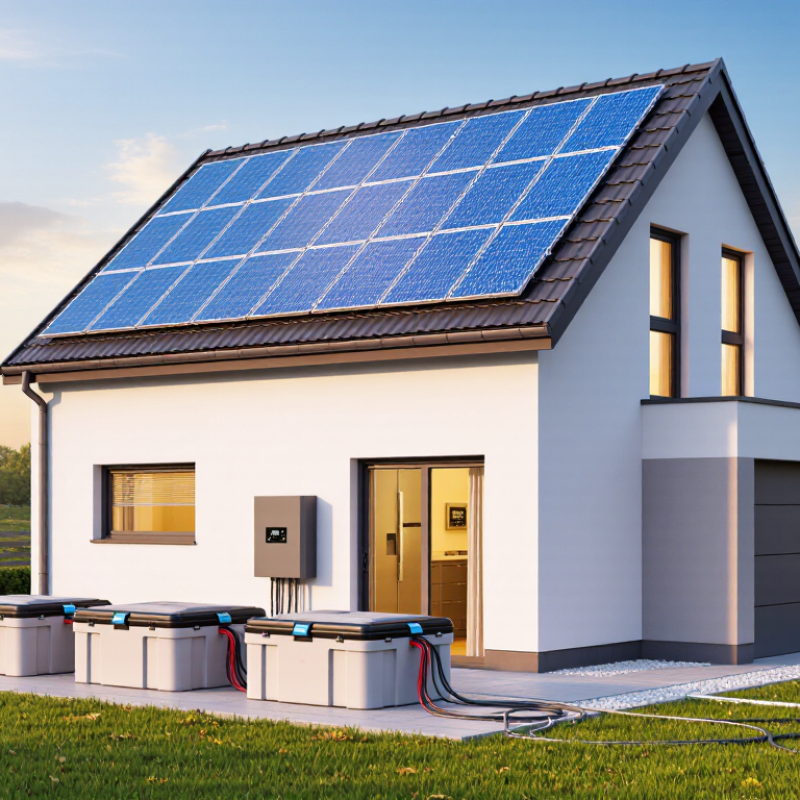
How Off-Grid Solar Systems Power Homes
An off-grid solar system turns sunlight into usable household electricity through a coordinated set of components. Solar panels produce direct current, a charge controller regulates battery charging, and an inverter supplies alternating current for common appliances. After sunset, the battery carries the load. Simple, but not effortless.
Storage must cover evening use and stretches of poor weather, not just a sunny afternoon. NREL’s 2024 Annual Technology Baseline models lithium-ion battery round-trip efficiency at about 85%; some stored energy is lost during charging and discharge. That makes realistic load estimates important. A refrigerator, well pump, and electric cooking can consume power quickly, while efficient lighting reduces overnight demand. Real homes are messier.
For context, the U.S. Energy Information Administration reports average residential electricity use of 10,791 kilowatt-hours in 2022. That national figure is only a starting point: climate, occupancy, and appliances change the numbers considerably. Track daily use, then size panels and batteries for seasonal conditions. I would still leave a margin; cloudy weeks rarely follow a convenient schedule. A backup source can help protect essential loads when solar production falls, but it does not replace careful system sizing.
2026 Best Off Grid Solar Systems for Homes? - How Off-Grid Solar Systems Power Homes
| Home Use Profile | Typical Daily Electricity Use | Suggested Solar Array | Suggested Battery Storage | Inverter Capacity | How the System Powers the Home | Indicative Installed Cost (USD) |
|---|---|---|---|---|---|---|
| Small cabin or efficient tiny home | 5–10 kWh | 3–4 kW | 10–15 kWh nominal | 5–6 kW continuous | Solar panels supply daytime loads and charge the battery. The battery serves evening and overnight loads; a generator may be useful during extended cloudy periods. | $20,000–$35,000 |
| Efficient small household | 10–18 kWh | 4–6 kW | 20–30 kWh nominal | 8–10 kW continuous | The array powers common household circuits and replenishes storage when sunlight is available. Battery capacity and load management help bridge nights and low-sun periods. | $30,000–$55,000 |
| Average household with energy-efficient appliances | 18–30 kWh | 7–10 kW | 30–50 kWh nominal | 10–15 kW continuous | A larger array supports higher daily use, while batteries provide power after sunset. Large simultaneous loads, such as pumps and cooking appliances, should be considered when sizing the inverter. | $45,000–$80,000 |
| High-use home with electric heating or vehicle charging | 30–50+ kWh | 10–15+ kW | 50–80+ kWh nominal | 15–20+ kW continuous | Higher consumption may require a substantial array, battery bank, careful load scheduling, and backup generation. Electric heating and vehicle charging can sharply increase system requirements. | $70,000–$120,000+ |
Planning notes: These are broad U.S. planning ranges, not product ratings or installation quotes. Actual solar production depends on location, season, shading, panel orientation, and weather. Battery figures are nominal capacity; usable energy is lower and varies by battery chemistry and operating settings. Costs vary with equipment, labor, permitting, site conditions, and whether a backup generator or major electrical upgrades are included. A site-specific load assessment and design are recommended before purchase.
Related Posts
-
What Is the Best Off Grid Solar Power System in China?
-
Top 10 Types of Off Grid Solar Power Systems
-
What You Should Know About Best Off Grid Solar Power Solutions
-
2026 Best Off Grid Solar Power Solutions for Global Buyers?
-
Exploring Alternative Technologies for the Future: The Rise of Best Off Grid Solar Solutions by 2025
-

2025 Top Off Grid Solar Solutions: What You Need to Know for Energy Independence
