10 Tips for Choosing Residential Solar Systems

Choosing Residential Solar Systems is less about chasing the highest panel rating and more about matching equipment to your home. Start with your electricity bills, roof condition, and typical daytime usage. A south-facing roof may help, but nearby trees can cast long afternoon shadows. Ask an installer to assess shade across the year, not just during one sunny visit. Small details matter.

Energy expert Amory Lovins is often credited with this useful reminder: “The cheapest energy is the energy you don’t use.” That principle belongs in any solar plan. Sealing drafts or replacing inefficient appliances may reduce the system size you need. It can feel less exciting than adding panels. Still, the numbers may tell a different story.

The ten tips ahead examine system sizing, panel and inverter options, battery storage, warranties, installer experience, and written estimates. Compare expected production with your actual household use, rather than relying on a glossy annual-savings figure. Ask how the estimate accounts for seasonal weather, future electricity needs, and local utility rules. Request clear details about equipment models, workmanship coverage, monitoring, and service after installation. Then compare more than the upfront price. A lower quote may omit important work, while a premium system may not suit every roof. No checklist can replace a site-specific assessment, and even a careful estimate involves uncertainty. Use these questions to make that uncertainty visible before you sign.
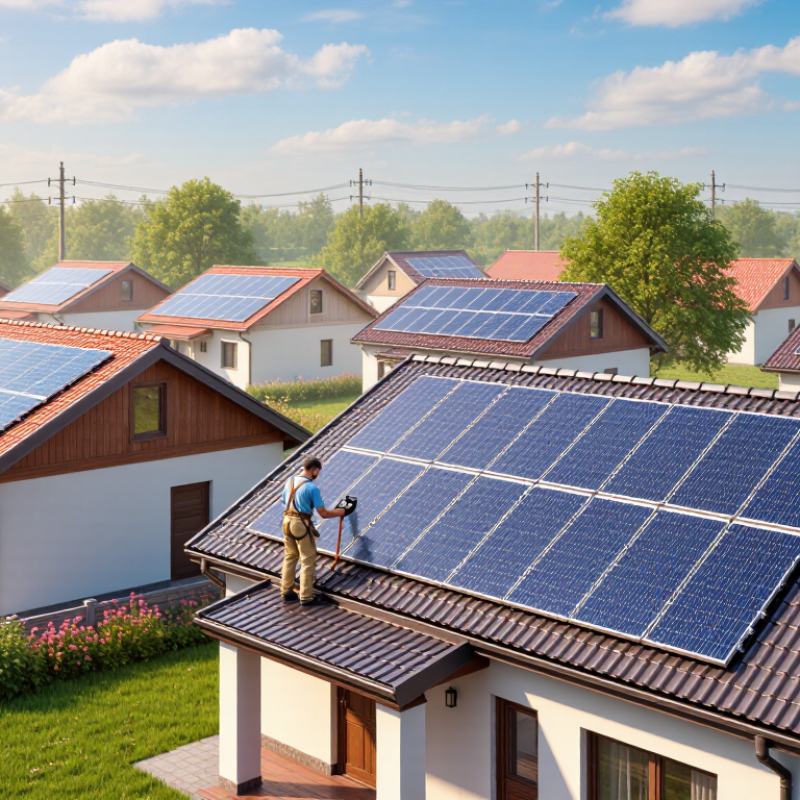
10 Tips for Choosing Residential Solar Systems

Understanding Your Household’s Energy Needs

Before comparing residential solar systems, review 12 months of electricity bills rather than relying on the latest one. Record monthly kilowatt-hours and note seasonal changes. Air-conditioning, electric heating, or a frequently used pool pump can shift demand considerably. One bill can mislead.

List major appliances and when they run. A clothes dryer used at noon draws power differently from one used after sunset. Solar panels generally produce most during daylight, while household demand may peak in the evening. Consider whether you could shift some flexible tasks, and whether a battery fits your needs and budget. Batteries add cost; they are not automatically worthwhile.

Think about likely changes over the next five to ten years. An electric vehicle, home office, or growing family may increase usage, while efficiency upgrades could reduce it. Estimates are imperfect, even with careful records. That is worth admitting. Ask a qualified installer to compare proposed system output with your measured consumption, using your roof’s orientation, shading, and local weather. Check the assumptions behind the estimate, especially if it predicts more energy than your household typically uses.

Evaluating Roof Conditions and Solar Exposure

Before estimating a residential solar system, inspect the roof itself. A south-facing roof is not automatically suitable, and another orientation may still receive useful sunlight. Check the roof’s age, surface condition, and framing for leaks, sagging, or past repairs. Look up, too. Nearby trees, chimneys, and dormers can cast narrow shadows that move across the roof during the day.

Solar exposure changes with the season. A tree that barely shades the roof in summer may block more winter sunlight when the sun sits lower. It is easy to overvalue one bright afternoon. Note shade in the morning and late afternoon, and consider how nearby trees may grow. Online imagery can help with an initial estimate, but it cannot show every obstacle or confirm roof condition.

Roof shape matters as well. Vents, skylights, and narrow sections can reduce the space available for panels, while steep or fragile surfaces may affect installation plans. Photographing the roof from several angles can help you discuss these details with a qualified solar professional. Ask for a site assessment that checks structural capacity, shading, and usable area—not just a quick estimate based on roof direction. Even then, estimates involve assumptions; some shade patterns are harder to predict than they first appear.

10 Tips for Choosing Residential Solar Systems: Evaluating Roof Conditions and Solar Exposure

Typical Relative Annual Solar Yield by Roof Orientation

Approximate planning estimates for an unshaded roof in the Northern Hemisphere, relative to a south-facing roof at the same location. Actual output varies with latitude, roof pitch, shading, and local weather. Before choosing a system, check roof condition and remaining service life, and have a qualified installer assess structural suitability and site-specific solar exposure.

Comparing Solar Panels, Inverters, and Battery Options

When comparing residential solar systems, look beyond a panel’s headline wattage. Roof direction, pitch, shade, and summer heat affect real production. Ask for an estimate based on your roof and recent utility use, not a generic household average. A narrow chimney shadow can reduce output more than expected. That matters.

Inverter choice shapes how the array handles shade and equipment faults. A string inverter connects multiple panels, often with less equipment, but one shaded panel may reduce output across the string. Microinverters manage panels individually and can suit roofs with mixed sun, though added equipment may increase service needs. Compare estimated annual energy, monitoring access, replacement terms, and warranty length. A detailed app does not guarantee better performance.

Battery options need a separate check. Compare usable kilowatt-hours, continuous power, and which circuits can run during an outage. A large battery may still not start a well pump or another high-demand load. Ask whether backup covers the whole home or selected circuits, and how long it could support typical evening use. Battery value depends on your electricity rates, outage patterns, and utility export rules. The estimate may still miss your habits; track actual consumption for a few weeks before choosing.

Assessing Costs, Incentives, and Financing Choices

Before comparing incentives or payment plans, set a realistic system budget. Lawrence Berkeley National Laboratory’s Tracking the Sun 2024 report found a median pre-incentive price of about $3.1 per watt for residential systems installed in 2023. At that benchmark, a 7.5-kilowatt array costs roughly $23,250 before batteries, roof repairs, or incentives. It is a reference point, not a quote. Ask installers to separate equipment, labor, permitting, and optional upgrades. Small details matter.

Incentives depend on location, utility rules, and eligibility, so verify current terms before counting savings. Check whether rebates reduce the project price upfront or arrive later, and whether they affect other incentives.

Financing deserves equal scrutiny. The Consumer Financial Protection Bureau’s 2024 review of solar financing highlighted dealer fees and loan terms that can make advertised savings look better than the full cost. Compare the total payments, annual percentage rate, fees, and any payment changes—not just the monthly amount. For leases, inspect escalators and transfer conditions.

Cash may cost less overall, but ties up savings. A spreadsheet can still miss roof work or a lower-than-expected utility credit. Get those assumptions in writing.

Checking Installer Credentials, Warranties, and Local Rules

Before signing, verify the installer’s active state or local contractor license and relevant electrical credentials. Ask who will handle permits, inspections, and utility interconnection. The person selling the system may not be the crew on your roof. Get the crew’s name in writing.

Check references for projects completed in similar weather and on similar roofs. Lawrence Berkeley National Laboratory’s Tracking the Sun 2024 report draws on roughly 3.7 million U.S. distributed solar systems. That large dataset shows why comparing several local bids matters: system prices vary by location and project details. Compare equipment, labor, and exclusions—not just the total. Look closely at three warranties: panel performance, equipment defects, and installation workmanship. Ask who pays for removal and reinstallation if roof repairs are needed. Get the answer in writing. Small detail, big headache.

Local rules can change the schedule and even the system design. Ask your building department about permits, setbacks, fire access, and inspection steps; then confirm interconnection requirements with your utility. Requirements differ by address. Save copies of approvals and contracts, and check that the final plans match the equipment installed. One thing is easy to miss: warranty terms may depend on timely registration or documented maintenance. Read those conditions before paying a deposit. I’d still leave room for uncertainty—permit timelines can slip, even with careful planning.